What are the Main Lightning Protection System Components?
A functioning lightning protection system is really five components working as a chain — break one link and the rest can't do their job.
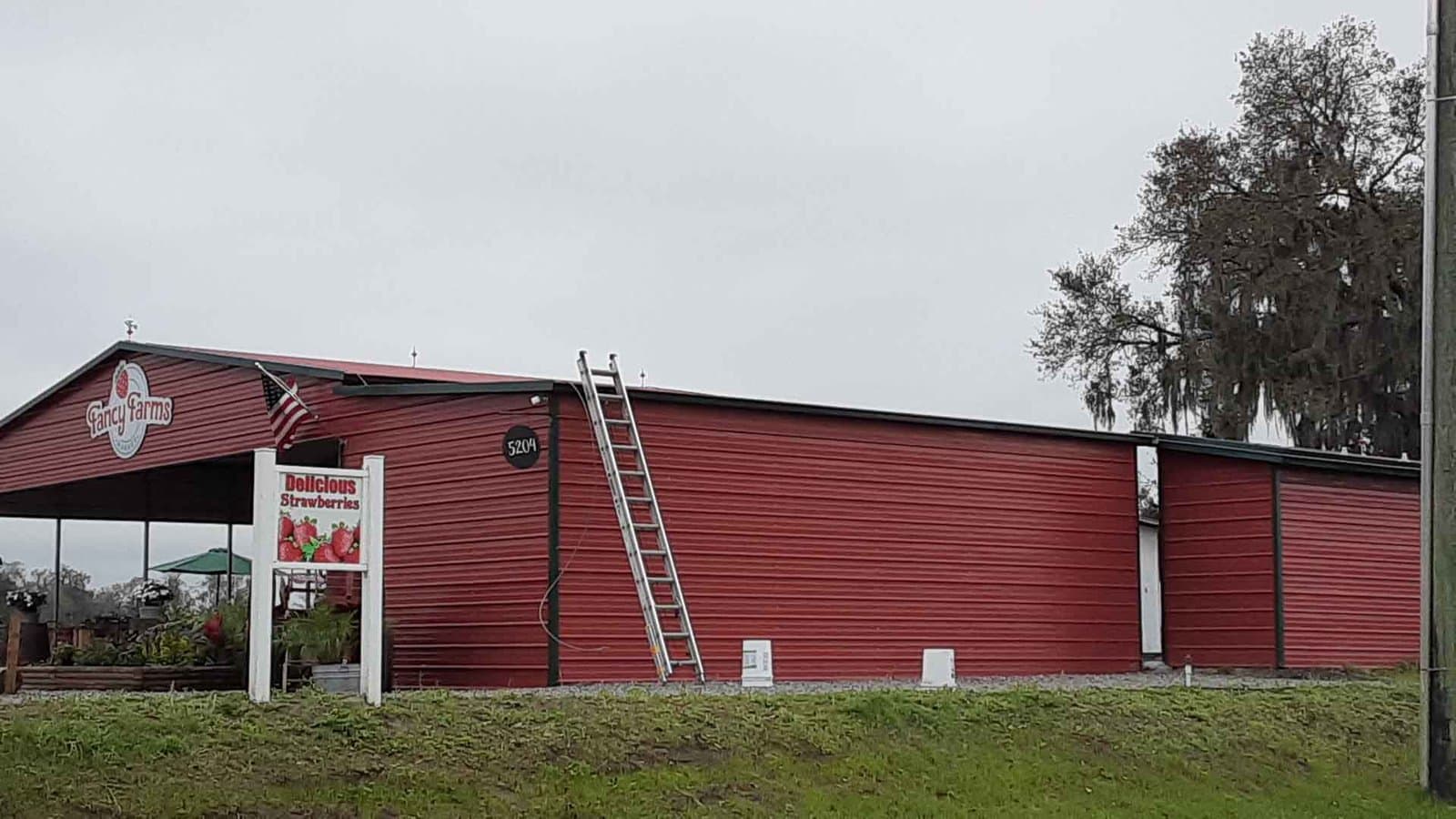
Air Terminals
Often called lightning rods, air terminals are short metal rods placed at a building's high points — ridgelines, chimneys, dormers, and rooftop equipment — where they're most likely to intercept a strike before it hits the structure itself.
Main Conductors
Conductors connect the air terminals to the grounding system, running down the building along a planned path — typically along a roofline, down a corner, or through a dedicated route rather than through interior living space. Their job is to carry the strike's energy away from the structure as directly as possible, since a longer or indirect path increases resistance and risk.
Grounding Electrodes
Also called ground rods, these are driven into the earth and are where the energy from a strike is finally released and dissipated safely. Proper grounding depends on soil conditions — moisture content and composition both affect how well a given site conducts electricity — as much as the rod itself, which is part of why a site assessment matters before installation rather than a generic, one-size-fits-all layout.
Bonding
Bonding connects nearby metal objects — water pipes, gas lines, HVAC ductwork, ventilation fans — to the grounding system. Without it, a strike traveling through the primary system can jump, or "side flash," to nearby metal that isn't connected, which is one of the more common causes of injury and damage inside a struck building.
Surge Protection Devices
Even with the rest of the system working correctly, a strike can send a surge through a building's electrical wiring. Surge protection devices, installed at the panel or at individual outlets, absorb that excess voltage before it reaches appliances and electronics.
Getting a System Installed
These five components work as a chain — a gap in any one of them reduces the protection of the whole system. RS Lightning Protection designs and installs systems around standards like NFPA 780 and UL 96A for homes and businesses across Ohio, Pennsylvania, Delaware, Maryland, and West Virginia, and offers a free site visit and quote. Call 1-866-415-2231 to get started.
Need components? See our components service.