
What's at Stake When You Skip Lightning Protection in Newark, DE
An unprotected structure isn't just gambling on odds — it's exposed to a specific, well-documented set of consequences.
Lightning Damage Is More Common Than Assumed
It's a common misconception that lightning is a rare, one-time event for any given property. In reality, tall or isolated structures can be struck more than once, and insurers pay out on a large volume of lightning-related claims every year — U.S. insurers paid out $1.65 billion in lightning-related homeowners insurance claims in 2025, according to the Insurance Information Institute. That figure reflects a real, ongoing risk rather than a rare exception, and it applies to homes, barns, schools, and businesses alike.
What an Unprotected Strike Can Do
Without a designed path to ground, lightning travels through whatever conductive material is nearest — wiring, plumbing, or structural elements — which is how a single strike can turn into a fire, a fried electrical panel, and cracked masonry in the same event. The damage isn't limited to one system; it can cascade across several parts of a property at once, which is part of why repair costs after an unprotected strike tend to run higher than owners expect.
Insurance Isn't a Substitute for Prevention
A homeowner's policy may help cover the cost of repairs after a strike, but it doesn't undo the disruption, the displaced time, or the loss of items that can't be replaced. Filing a claim, coordinating repairs, and living through the aftermath all take a toll that a check doesn't fully offset. Protection systems are designed to prevent the damage from happening in the first place, not just to pay for it afterward.
What a Complete System Includes
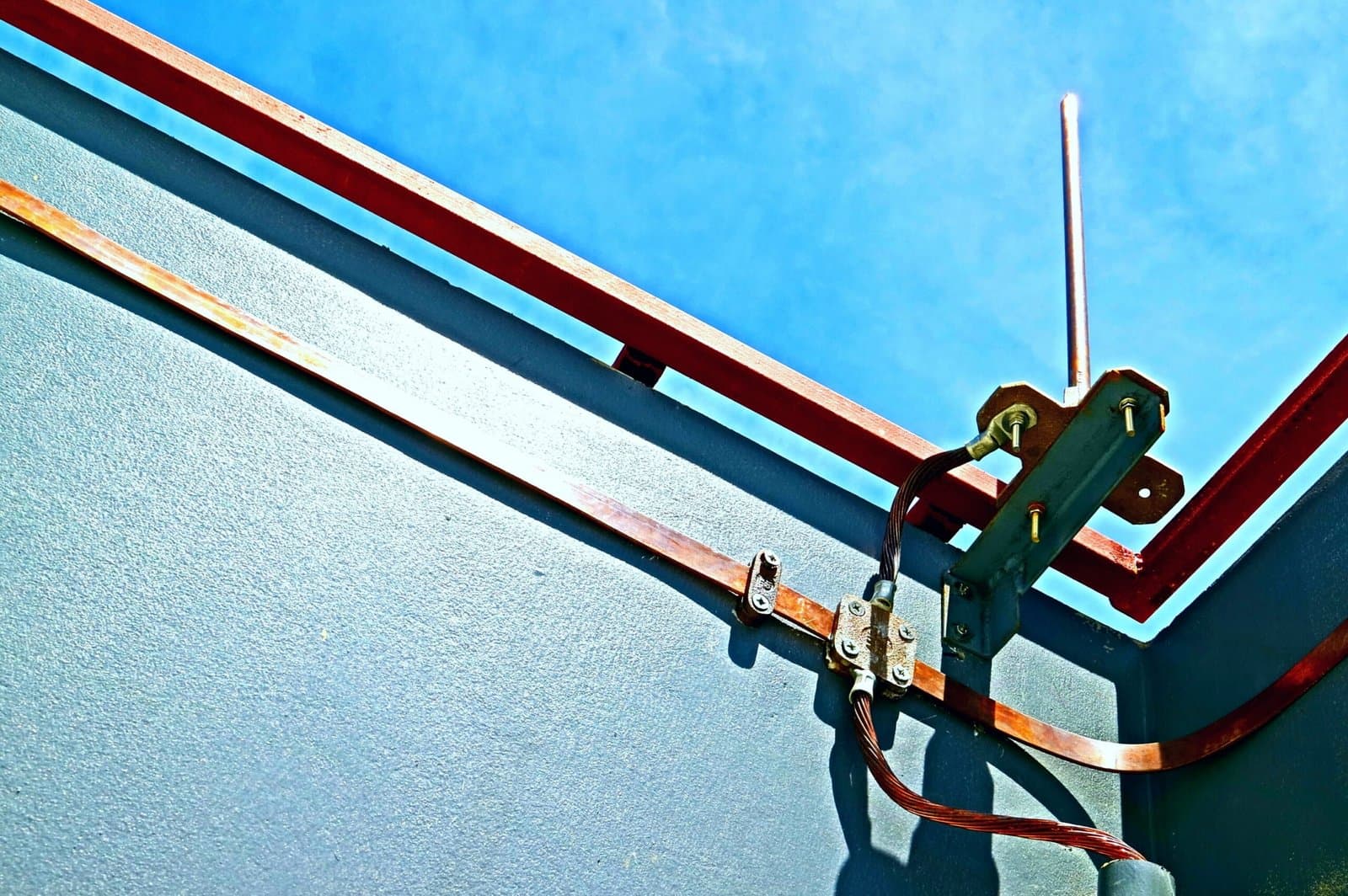
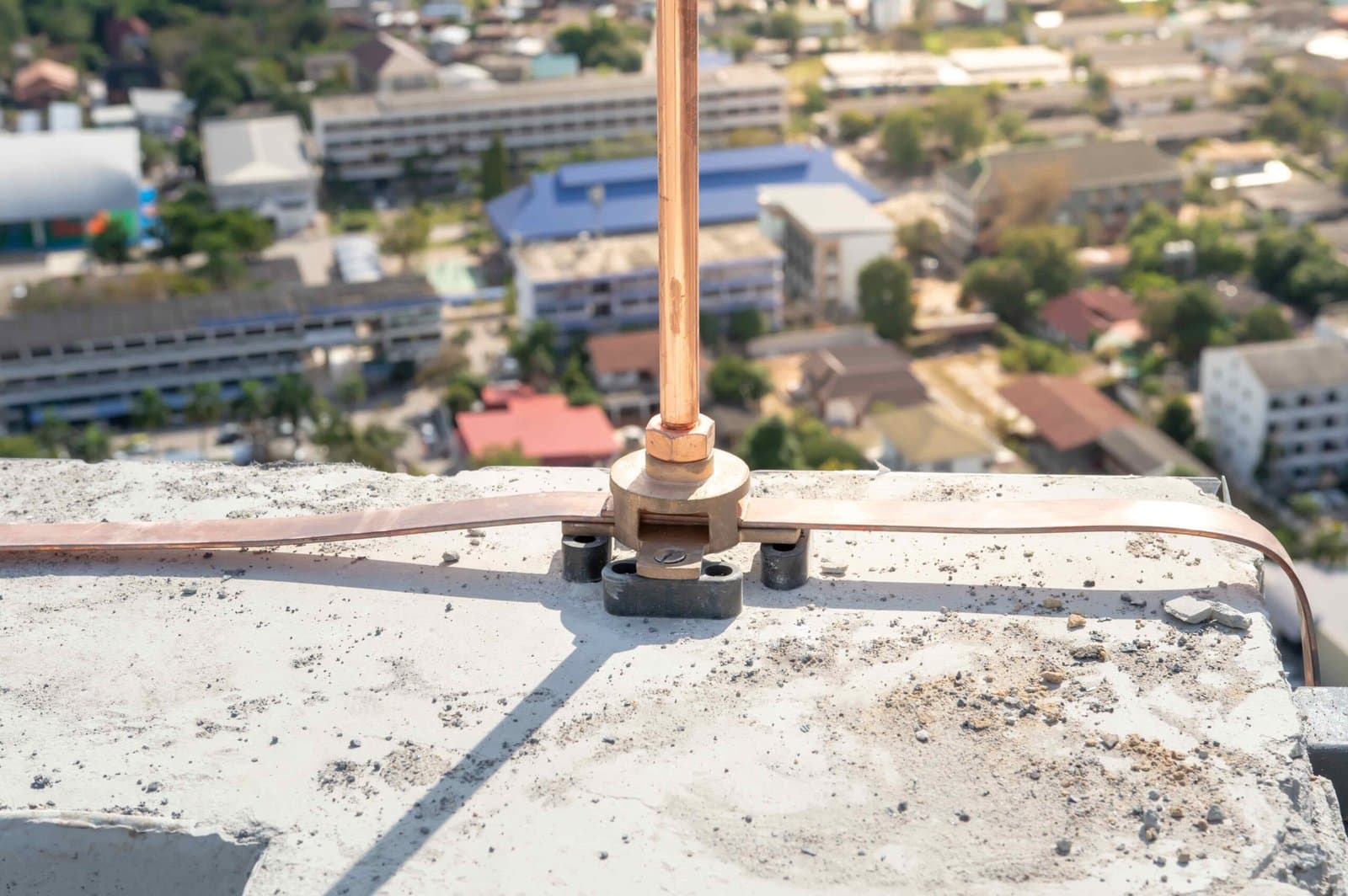
A lightning protection system is more than a single rod — it's air terminals at the high points of a structure, conductors that carry the current down, grounding electrodes that disperse it into the earth, and surge protection devices that shield the electrical system. Each component plays a specific role, and missing or undersizing one weakens the effectiveness of the whole system, even if the rest looks correctly installed.
Watching for a System That's Already Failing
If a property already has protection installed, corrosion, loose conductors, or poor grounding connections can quietly undermine it over time without any visible sign from the ground. A system that looks intact from a distance isn't necessarily functioning as designed, which is why periodic inspection — typically annual — matters as much as the original installation.
Need installation? See our installation service.