Lightning Protection System Maintenance 101
A plain-language walkthrough of what a professional lightning protection inspection actually covers, from corrosion checks to code updates.
Why Maintenance Matters
A lightning protection system only does its job if every component is still working the way it was designed to. Rods corrode, connections loosen, and roofs change over the years, so a system that was installed correctly can quietly stop performing without any visible sign until it's actually tested by a strike. Routine maintenance is how you confirm the system is still protecting the investment you made in it, rather than assuming it is because nothing has gone wrong yet.
What an Inspection Actually Checks
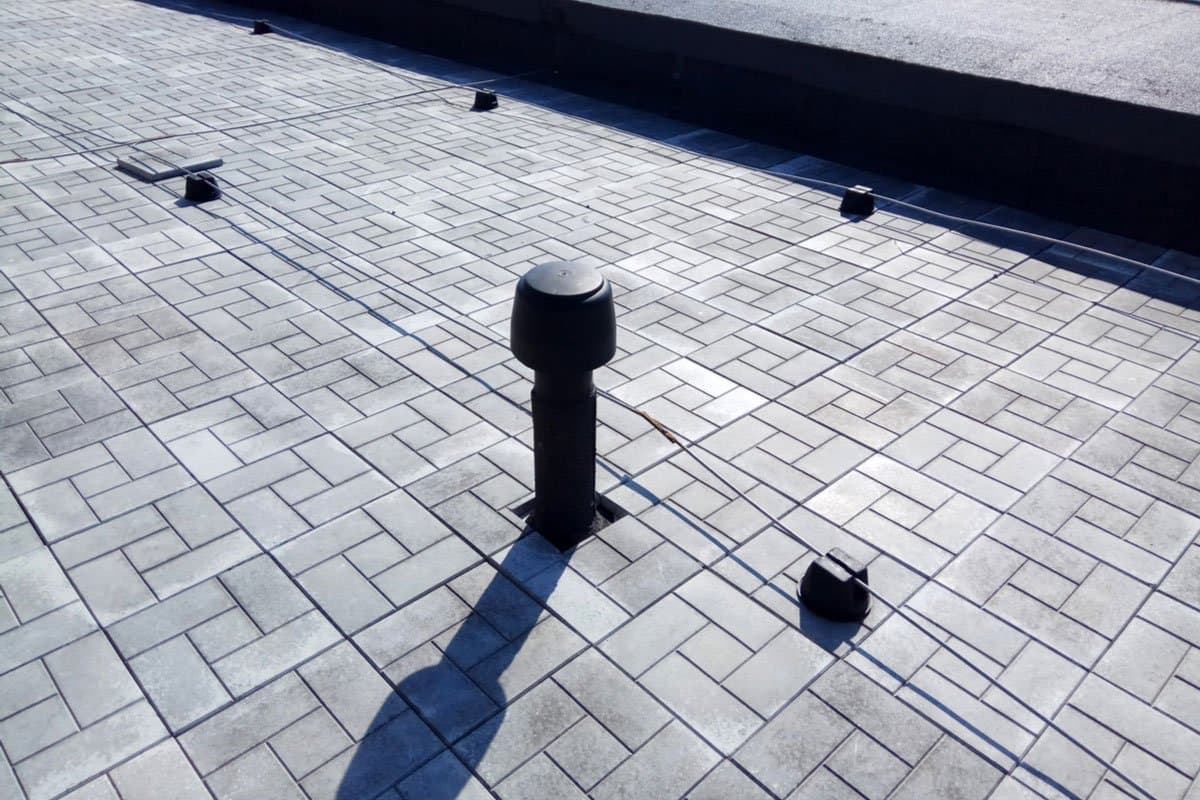
A technician starts by inspecting the lightning rods and other rooftop components for corrosion or physical deficiencies, then visually examines the surge protection device for damage. Connections throughout the system get checked for looseness, since a loose connection can compromise the whole path to ground even if every individual part looks fine on its own. Grounding is checked as well, since a rod or conductor that's in perfect shape still won't help if the ground connection underneath it has failed.
Accounting for Roof Changes
Homes and buildings change over time — a new HVAC unit, a satellite dish, or another rooftop addition can end up sitting outside the protected zone if it wasn't bonded into the system when it was installed. Part of a maintenance visit is checking for exactly this kind of gap, since it's easy for a roofer or HVAC installer to add equipment without thinking about how it interacts with an existing lightning protection system.
Bringing the System Up to Current Standards
Systems are designed around standards like NFPA 780 and UL 96A, and those standards get updated periodically as materials and best practices evolve. A maintenance visit includes correcting any deficiencies found and updating the system to reflect current guidance, followed by a written report covering the scope of work, any recommendations, and a rough estimate for repairs if any are needed.
Why This Isn't a DIY Job
Identifying subtle corrosion, testing grounding effectiveness, and knowing what current code requires all take training most homeowners don't have. Even a system that looks intact from ground level can have failed connections or degraded grounding that only shows up under proper testing. That's why maintenance should be handled by a trained lightning protection professional, typically on an annual basis.
Scheduling Your Maintenance Visit
RS Lightning Protection handles installation and maintenance for both residential and commercial systems, fully licensed and insured. Call 1-866-415-2231 to get a visit scheduled.
Need maintenance? See our maintenance service.