Is Your Lightning Rod Up to Code? 5 Signs You Need Immediate Repair in Delaware
Five specific warning signs that indicate a lightning protection system needs professional attention before the next storm.
Why These Signs Matter
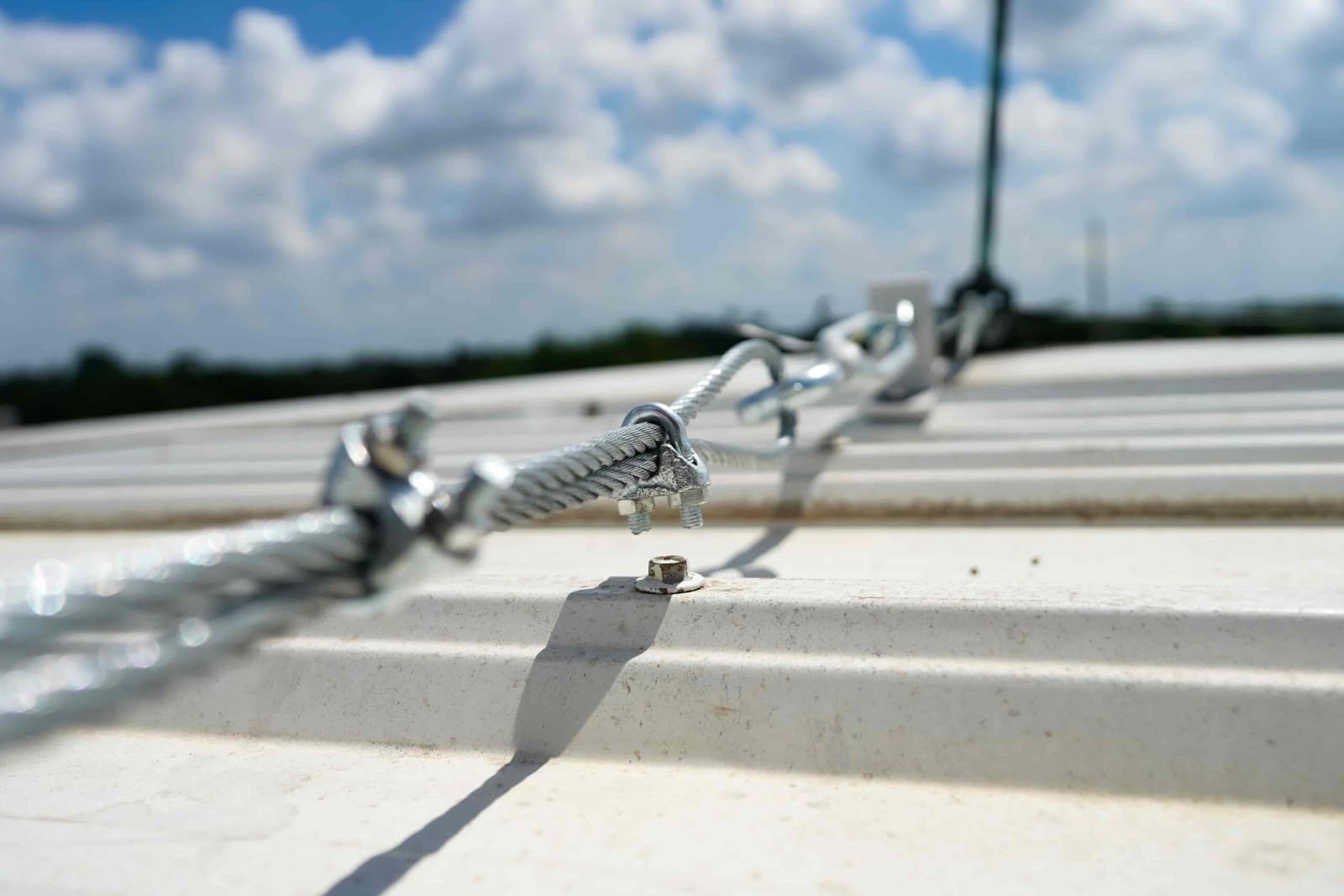
A lightning protection system only works if every part of it — air terminals, conductors, bonding, and grounding — is intact and connected. It's a chain: a single weak link, whether it's a corroded terminal or a disconnected ground rod, can undermine the entire system's ability to do its job. These five signs are the most common indicators that something in that chain has failed, and each one is worth checking for on its own.
1. Visible Damage to Rods or Conductors
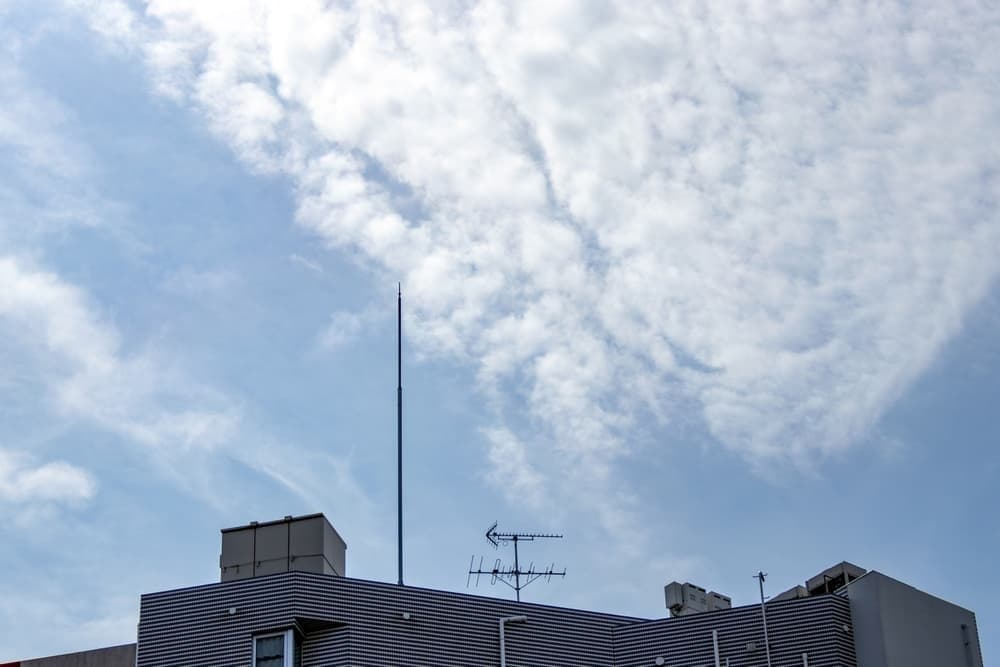
Bent air terminals, frayed or broken conductor cable, and loose fasteners are the most obvious red flags. Any physical damage to the rod or the cable running from it to the ground reduces the system's ability to safely carry a strike's current. This kind of damage is often visible from ground level with a careful look, but a professional inspection is the only way to confirm nothing subtler is also wrong.
2. Rust or Corrosion on Metal Components
Corrosion weakens the metal itself and increases electrical resistance at connection points, which matters because a lightning strike needs a low-resistance path to the ground to be handled safely. Flaking paint or discoloration on air terminals and fittings is often an early sign that moisture has been getting into the metal. Left unaddressed, corrosion tends to spread rather than stay contained to one spot.
3. Grounding System Problems
Grounding electrodes should stay buried and undisturbed. Exposed ground rods, or noticeable soil erosion around where they're driven, can mean the system no longer has a reliable path into the earth — which is the entire point of the system. Landscaping changes, new construction, or heavy rain can all expose or shift a grounding electrode without anyone noticing right away.
4. No Recent Inspection History
A system that hasn't been checked in years isn't necessarily failing, but there's no way to know that without looking. Age and unknown maintenance history are themselves a sign it's time for a professional check, especially if the system predates a change in ownership and its records weren't passed along.
5. Non-Compliance With Current Standards
Standards like NFPA 780 and UL 96A have been updated over the decades. An older system installed under earlier requirements may not meet current guidance for component spacing, bonding, or grounding, even if it looks physically intact. A licensed contractor can tell you where your system stands relative to current guidance. RS Lightning Protection serves Delaware and the surrounding region — call 1-866-415-2231 for a free estimate.
Need repair? See our repair service.