Is Your Business Safe? Commercial Lightning Protection Services You Can't Afford to Ignore
A look at what an unprotected commercial building risks in a direct strike, and what a properly engineered system actually includes.
The Real Cost of an Unprotected Building
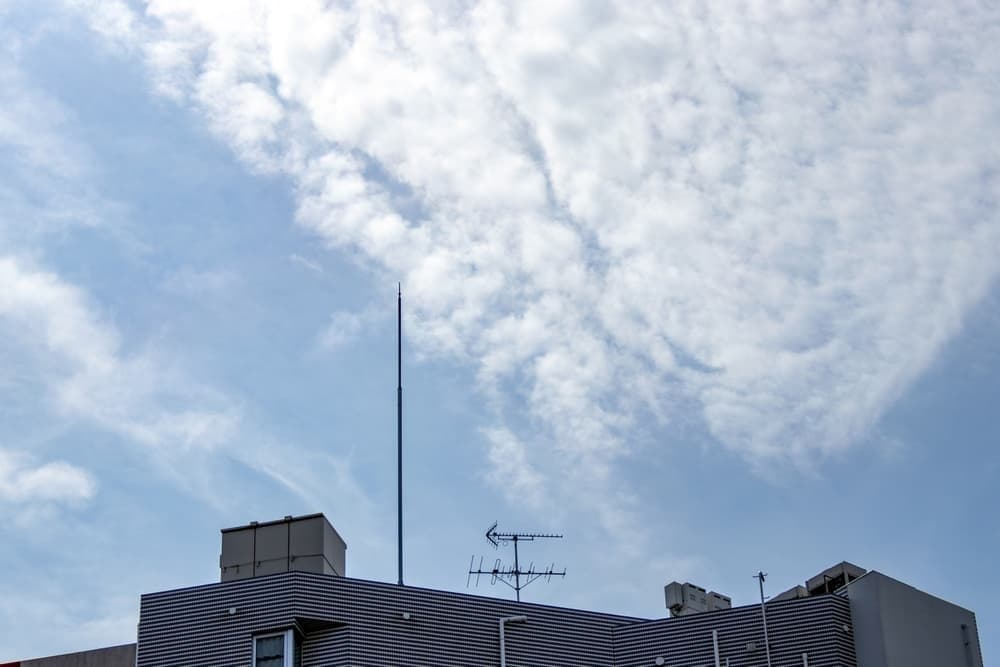
Unlike most disasters, lightning hits fast and without much warning. Without a protection system, a strike can start a fire in a roof or attic, send a power surge through HVAC systems, servers, POS equipment, and security systems, and knock out power for hours or, in worse cases, days. Electrical outages of that length can mean lost inventory, spoiled stock in refrigeration units, or simply a building that can't operate until systems are restored. In some cases the damage is extensive enough to require significant structural repair, on top of whatever equipment and data are lost.
Wilmington's Storm Season Raises the Stakes
Delaware sees frequent thunderstorms and high humidity from spring through early fall, conditions that are favorable for lightning activity. Urban commercial buildings in Wilmington carry extra exposure because of tall rooflines, metal roofing, and the electrical systems that run through them, all of which can conduct a strike into the structure. A building that's isolated or taller than its neighbors carries even more risk, since it's more likely to be the highest point in its immediate area.
What a Commercial System Actually Includes
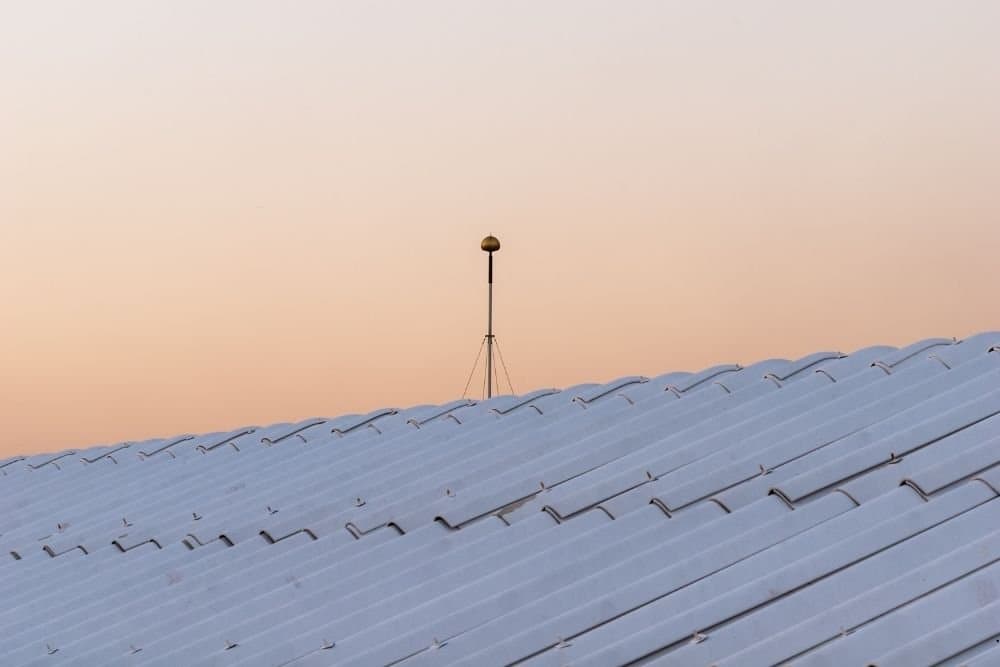
A commercial lightning protection system is a set of components engineered to work together, not a single device. Air terminals are installed at rooftop high points to intercept a strike, main conductors route that energy toward the ground, and grounding electrodes disperse it safely into the soil. Bonding connectors tie metal parts, pipes, and other conductive elements into the same grounding system, and surge protection devices are installed on electrical panels to guard equipment from voltage spikes that travel through wiring. Each piece depends on the others — a system that's missing bonding or grounding isn't a complete system, regardless of how many rods are on the roof.
Business Continuity Is Part of the Equation
Physical damage is only part of the cost of an unprotected strike. A hit that takes out servers, phone systems, or point-of-sale equipment can halt operations for hours, and missed sales, missed appointments, and customer service disruptions add up in ways that don't show up on a repair invoice. Surge damage to electronics also isn't always covered in full by a standard commercial policy, which can leave a business absorbing part of the replacement cost directly. For a business that depends on uptime, the operational disruption can end up mattering as much as the physical repair bill.
Employee and Customer Safety
As a business owner or facility manager, protecting the people inside your building during operating hours is part of the responsibility that comes with the property. A direct or nearby strike during business hours carries real risk to anyone inside, particularly in buildings with exposed metal fixtures or older electrical systems. A properly grounded system reduces that risk by making sure a strike's energy has a controlled path to the earth rather than traveling through wiring or metal components while people are present.
A Note on Insurance
Some insurers view a professionally installed, code-compliant lightning protection system favorably during underwriting, and a business may qualify for lower premiums as a result. That isn't guaranteed, and it varies by carrier, policy type, and region, so it's worth a direct conversation with your insurance provider about what a properly documented system could mean for your specific coverage. What is consistent is that a system reduces the likelihood of filing a claim in the first place, which has its own value regardless of premium impact.
What the Process Looks Like
A proper commercial installation starts with a site evaluation of the building's structure, height, surrounding environment, and existing electrical systems. From there, a contractor designs a custom system rather than applying a one-size-fits-all layout, and installs it in line with standards like NFPA 780 and UL 96A, including full bonding and grounding across the facility. RS Lightning Protection has served commercial properties across Delaware, Ohio, Pennsylvania, Maryland, and West Virginia since 1988, and our crews are regularly in the Wilmington area for both new installations and follow-up service. Call 1-866-415-2231 for a free estimate on protecting your building, your equipment, and the people who work there.
Need installation? See our installation service.