
How Lightning Detection Systems Help Protect Newark, DE Businesses
For business owners, a lightning strike is a continuity risk as much as a property risk — here's how detection systems fit into that picture.
A Different Layer of Protection
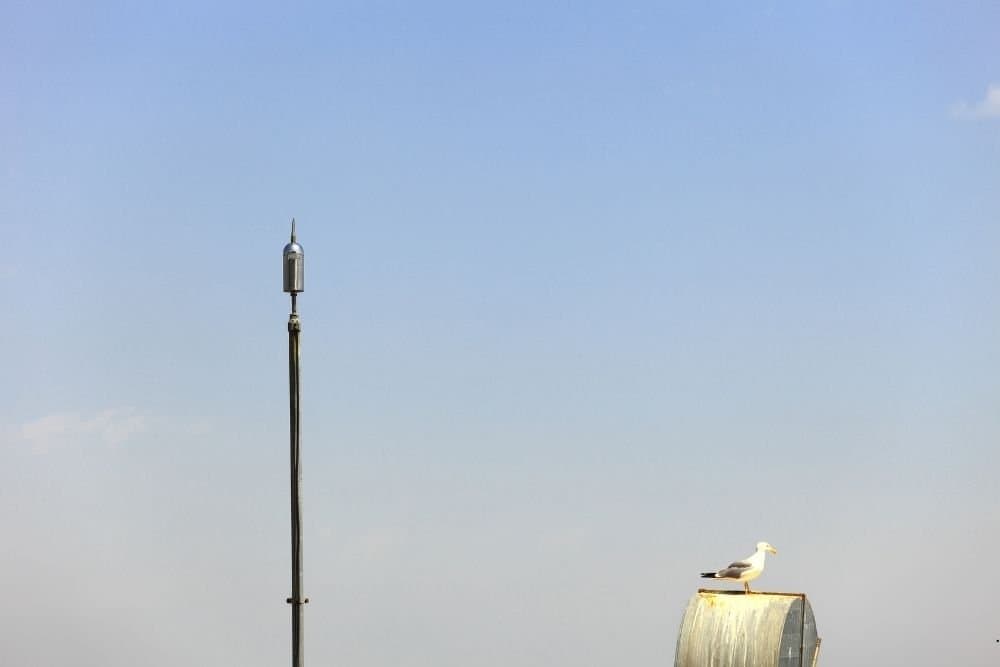
A lightning rod system protects a building after a strike happens, by giving the current a safe, predetermined path to ground. A lightning detection system works earlier in the timeline — monitoring atmospheric conditions and alerting staff when lightning activity is approaching the property, so precautions can be taken before a strike occurs at all. The two systems solve different problems, and a complete commercial protection plan usually includes both, since neither one covers the full range of risk on its own.
Why Continuity Matters for Business Owners
For a retail store, warehouse, or industrial facility, downtime from lightning damage isn't just a repair bill — it's lost operating hours, disrupted deliveries, or interrupted service to customers who may go elsewhere. Early warning gives staff time to power down sensitive equipment, secure inventory, or pause outdoor operations before a strike reaches the property, rather than reacting to damage after it's already done. That lead time is often the most valuable part of the system, particularly for businesses running processes that are expensive to interrupt on short notice.
How Detection Systems Function
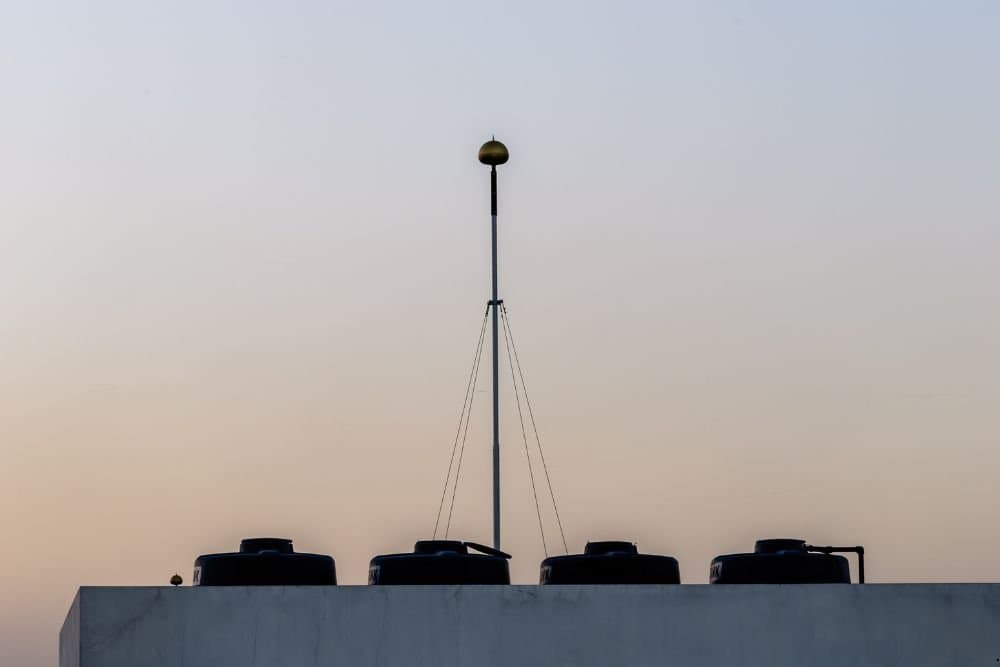
These systems use sensors to track electrical activity in the atmosphere and issue alerts — through alarms, monitoring platforms, or mobile notifications — once lightning is detected within a set radius of the property. The alert radius, notification method, and who receives the alert are typically configurable to match how a specific business operates day to day. Some systems can also integrate with existing building safety protocols, such as automated equipment shutdowns.
Detection Works Best Paired with a Rod System
A detection system tells a business a storm is coming; a lightning rod system protects the building once it arrives. Businesses that combine both get advance notice to protect people and processes, plus a physical system engineered to handle a direct strike if one does occur. Relying on only one half of that equation leaves a real gap in coverage.
Getting the Installation Right
Sensor placement and calibration affect how reliable the alerts are, which is why detection system installation is worth handling as a professional job rather than an off-the-shelf add-on. A contractor familiar with commercial properties can size the system to the building's layout, existing alarm infrastructure, and safety protocols already in place. That kind of tailored setup is what makes the alerts actually useful when a storm approaches.
Need detection systems? See our detection systems service.