How Lightning Warning Systems Protect People, Not Just Property, in Newark, DE
Detection and warning systems exist for a different reason than lightning rods — keeping people out of harm's way before a strike happens.
A System Built Around Timing, Not Redirection
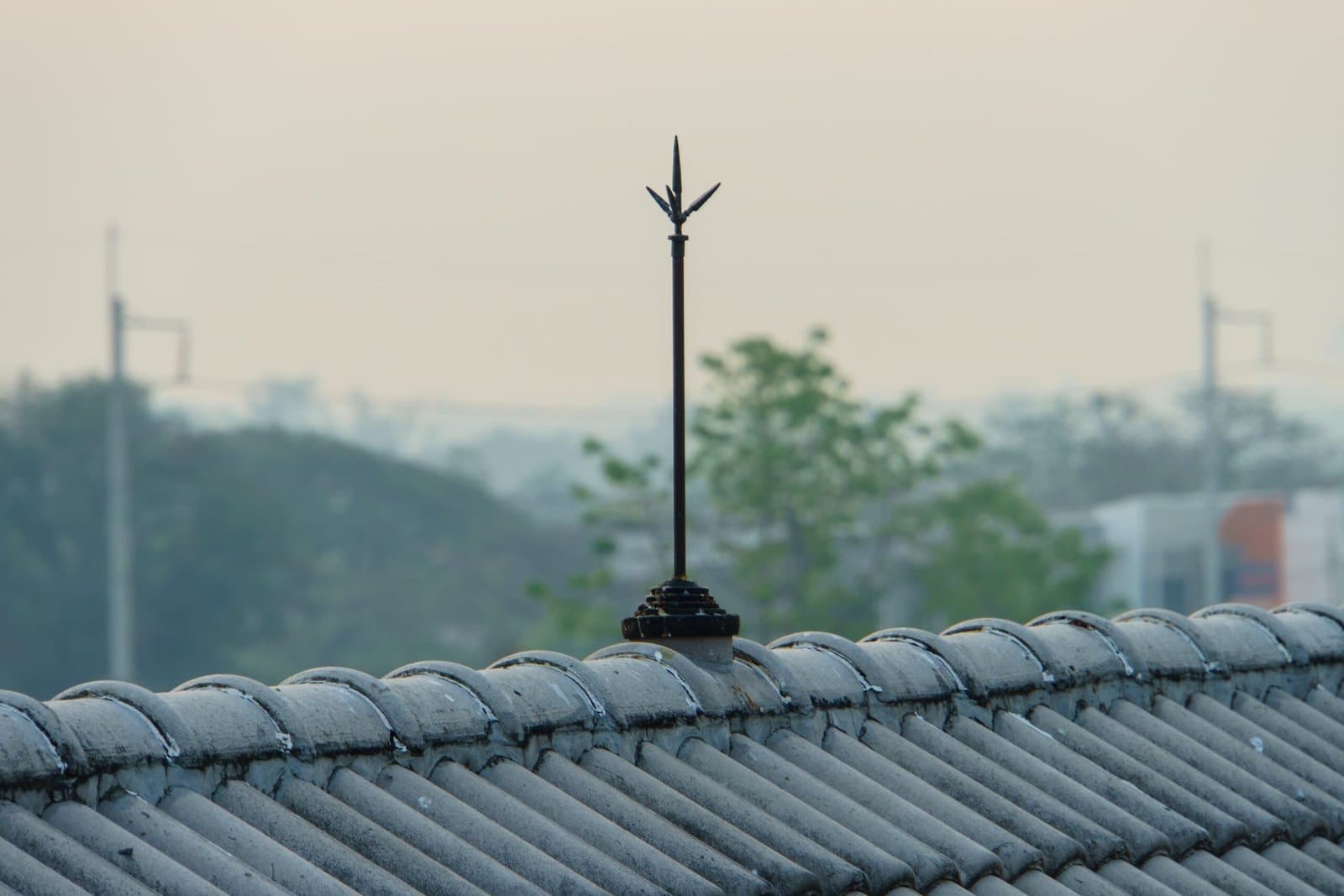
Lightning rods protect structures by giving a strike a safe path to ground once it happens. Warning systems serve a different, earlier purpose: detecting rising lightning activity in the atmosphere and alerting people while there's still time to get to safety — before anyone is caught outdoors when a strike actually occurs. That distinction matters, because no amount of structural protection helps someone who's still standing in an open field when a storm rolls in unannounced and quickly.
Who Is Most at Risk Outdoors
People working in open fields, tending livestock, coaching or attending outdoor sports, or simply out in the yard are the ones most exposed when a storm builds faster than expected. A warning system's real value is the lead time it buys — enough minutes to get everyone under cover before conditions become dangerous, rather than relying on someone spotting the first flash or hearing distant thunder over other noise.
How the Detection Works
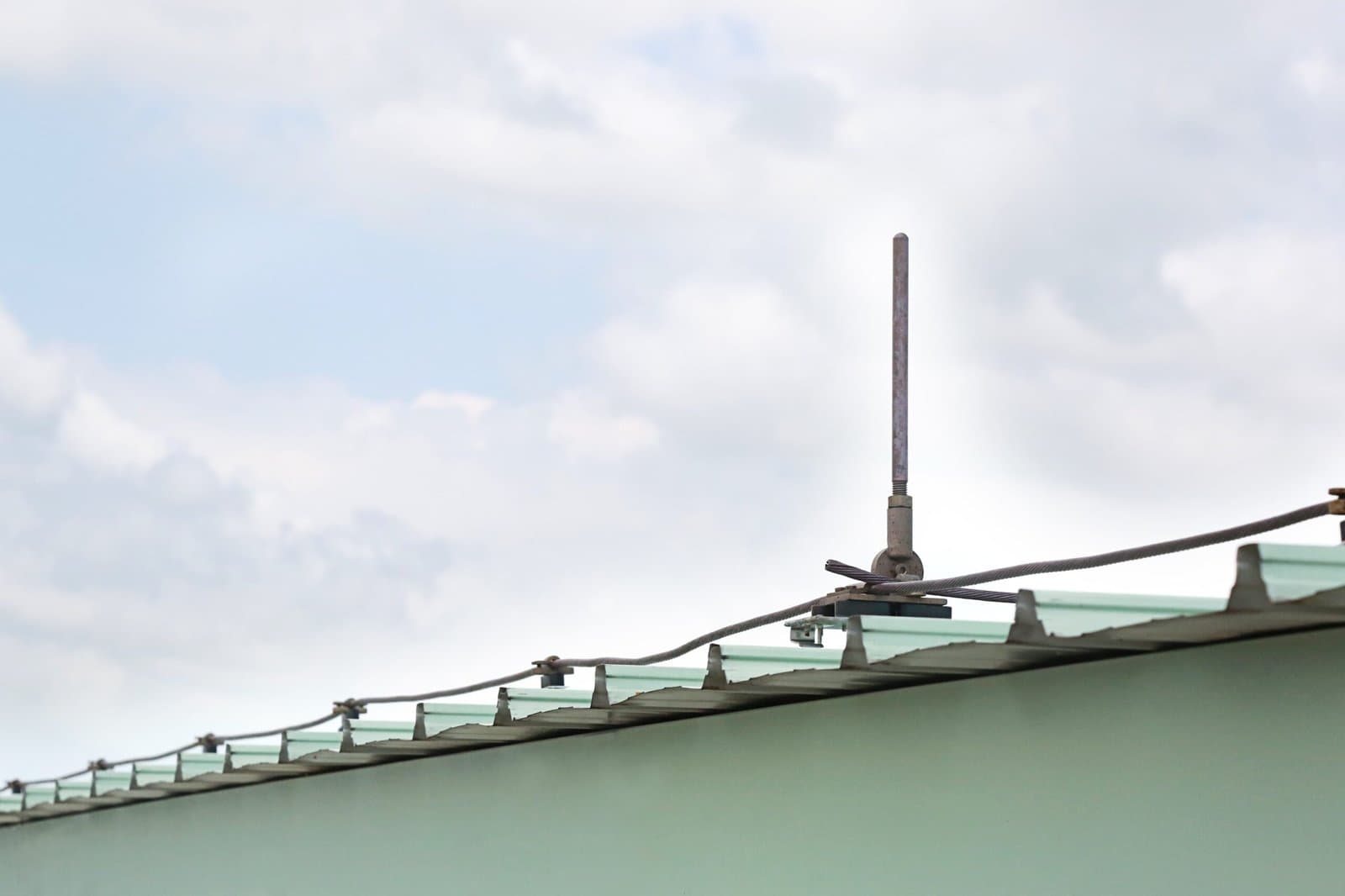
These systems monitor atmospheric and electromagnetic conditions for the signs that precede a strike, then issue alerts through sirens, warning lights, or notifications sent to phones or a monitoring station. The goal is a clear, unambiguous signal that tells occupants it's time to move indoors, not a vague weather advisory that's easy to ignore or misread in the moment.
Why This Matters for Farms, Schools, and Families
A farm can use the lead time to bring animals in from open pasture before lightning activity intensifies. A school can move an outdoor practice, recess, or event inside well ahead of a storm's arrival. A family can simply get everyone off the porch and away from windows. In each case, the system's job is the same: buy time before the strike arrives, and give the people responsible for others a clear, early signal to act on.
Pairing Detection with Structural Protection
A warning system protects people during the run-up to a storm; a properly grounded lightning rod system protects the structure once lightning actually strikes. Used together, they cover both halves of the risk — the moments before impact and the impact itself — which is why many properties end up installing both rather than treating them as alternatives. Neither one is a full substitute for the other.
Need detection systems? See our detection systems service.