Last updated: November 2026
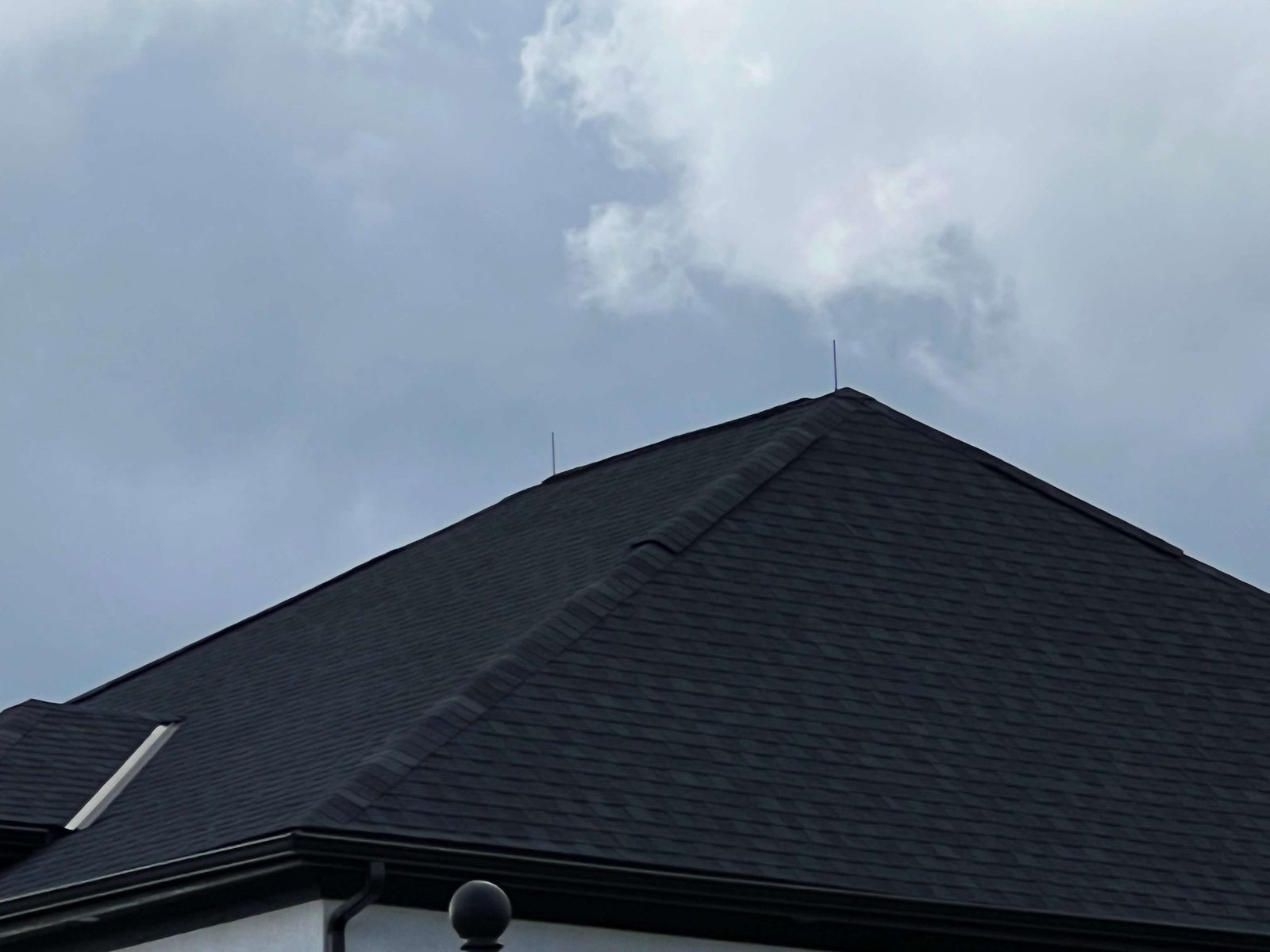
How do lightning rods work? A lightning rod gives a strike a safe, planned path into the ground. The rod (called an air terminal) sits at a high point on the roof and intercepts the strike. Heavy conductors carry the current down the outside of the building, and grounding electrodes driven into the earth release it. The current goes around your home instead of through the framing, wiring and plumbing, where it can start fires and cause damage.
By Richard Sherlock, owner, RS Lightning Protection · Family-owned since 1988
What are the parts of a lightning rod system?
A lightning rod is only one piece. On its own, a rod with no path to the ground does nothing useful. A working lightning protection system has four parts, and every one of them has to be connected:
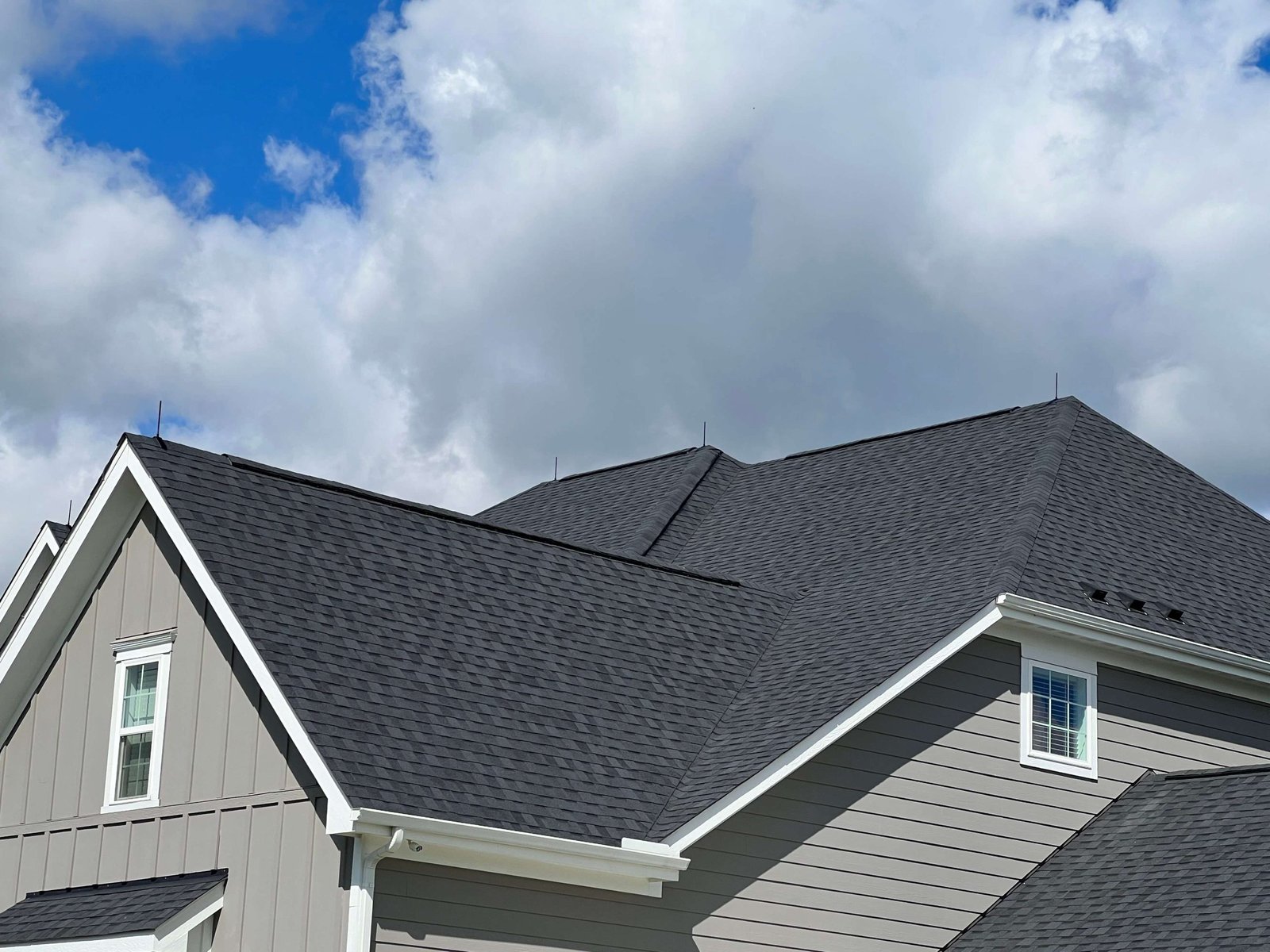
- Air terminals. These are the rods themselves. They go at the high points and along the ridgelines, where a strike is most likely to land.
- Conductors. Heavy copper or aluminum cables connect the air terminals and run down the outside of the building.
- Grounding electrodes. Rods driven into the earth where the conductors end. This is where the energy dissipates.
- Bonding. Connections that tie large metal parts of the building, like metal roofing, vents and gutters, into the system so the current doesn't jump to them.
You can see each of these in detail on our lightning protection system components page.
What happens to a house during a strike without lightning rods?
Lightning looks for the easiest way to the ground. Without a planned path, it finds its own. That usually means a chimney, a roof peak, an antenna or a plumbing vent, and then whatever conducts best on the way down: electrical wiring, gas lines, water pipes or damp framing.
That's where the damage comes from. The current heats whatever it passes through, so a strike can start a fire inside a wall or attic, crack masonry, blow out outlets and ruin electronics. Some of that damage isn't obvious right away. A smoldering fire in an attic can start hours after the storm has passed.
How does a lightning rod system change that path?
A system doesn't change where lightning strikes in your neighborhood. It changes what happens when your building is the one that gets hit. The air terminal is the highest point, so it intercepts the strike. The conductors give the current a low-resistance route that's easier than anything inside the house. The grounding electrodes release it into the earth, away from the foundation.
That's why the installation matters as much as the parts. A conductor with a sharp bend, a loose connection or a ground rod that isn't deep enough gives the current a reason to leave the path. Every connection has to be solid, from the tip of the air terminal to the ground.
Do lightning rods attract lightning?
No. This is the most common myth we hear. Lightning rods don't pull lightning toward your home or make a strike more likely. Lightning forms in the storm cloud and comes down based on the storm, not on whether there's a rod on your roof. The rod only matters once a strike is already headed for your building. Then it intercepts that strike and grounds it safely. We cover this in more detail in our post on lightning myths.
Which buildings need lightning rods most?
Any building can be struck, but some face more risk:
- Homes on hills, in open fields or taller than the buildings and trees around them
- Barns and farm buildings, especially ones with livestock, hay or equipment inside
- Homes with tall chimneys, cupolas or metal roofs
- Schools, churches and other buildings where a lot of people gather
- Businesses with sensitive equipment or stored materials
We install systems on homes, farms and barns, commercial buildings and schools across Ohio, Pennsylvania, Delaware, Maryland and West Virginia.
Is November a good time to think about lightning rods in Ohio?
It's one of the best times. Thunderstorm season in Ohio and Delaware runs mostly from spring through late summer, so the weeks between now and March are the quiet stretch. In mid-November, central Ohio highs usually sit in the upper 40s to low 50s°F, and roofs are still workable on dry days. Planning a system now means it's on the roof well before the first spring storms roll through.
The National Weather Service has a good overview of lightning safety if you want to read more about how storms behave.
What happens when you call RS Lightning Protection?
- You talk to the owner. Richard handles your call and your questions directly.
- We look at the building. We check its height, roofline, chimneys, metal parts and soil for grounding.
- You get a free estimate for a system designed for that building.
- We install and inspect. Air terminals, conductors, grounding and bonding go in, and the finished system is inspected before the job is done.
See the full process on our lightning protection system installation page.
Why do homeowners choose RS Lightning Protection?
- Family-owned since 1988
- You deal directly with the owner, Richard Sherlock
- Licensed, insured and bonded
- Green Seal® Certified Contractor
- HomeAdvisor Top Rated and Elite Service Award
- Offices in Delaware, OH and Wilmington, DE, serving five states
Take a look at our recent work on homes, barns and businesses.
Frequently asked questions about how lightning rods work
Does a lightning rod stop lightning from hitting my house?
No. A lightning rod doesn't prevent strikes. It controls what happens when one hits. The air terminal intercepts the strike, and the conductors and grounding carry the current safely into the earth instead of through your home's wiring, pipes and framing. The goal is to protect the building and the people inside it, not to keep lightning away.
Is one lightning rod enough for a house?
Usually not. A single rod protects only a small area. Most homes need several air terminals along the ridgelines and at chimneys and other high points, plus at least two paths down to separate grounding electrodes. The number depends on the size and shape of the roof, which is why every system is designed for the building.
Do lightning rods work on metal roofs?
Yes. A metal roof doesn't attract lightning, but it does need to be bonded into the system so the current follows the planned path. We install on shingle, metal and other roof types, and we tie in metal roofing, vents and gutters as part of the bonding.
How long does a lightning rod system last?
A well-installed system lasts for decades, but it needs checking. Roof work, storms and corrosion can loosen connections or break a conductor. We recommend an inspection after any roof replacement or major storm. Our lightning protection maintenance service covers that.
Protect you, your family and your property. Call RS Lightning Protection at 1-866-415-2231 for a free estimate, or request a quote online. Family-owned since 1988, serving Ohio, Pennsylvania, Delaware, Maryland and West Virginia.