Expert Lightning Rod System Inspections in Delaware – Ensure Your Home's Safety
A look at what a lightning rod inspection actually examines, component by component.
Conductor Cables and Connections
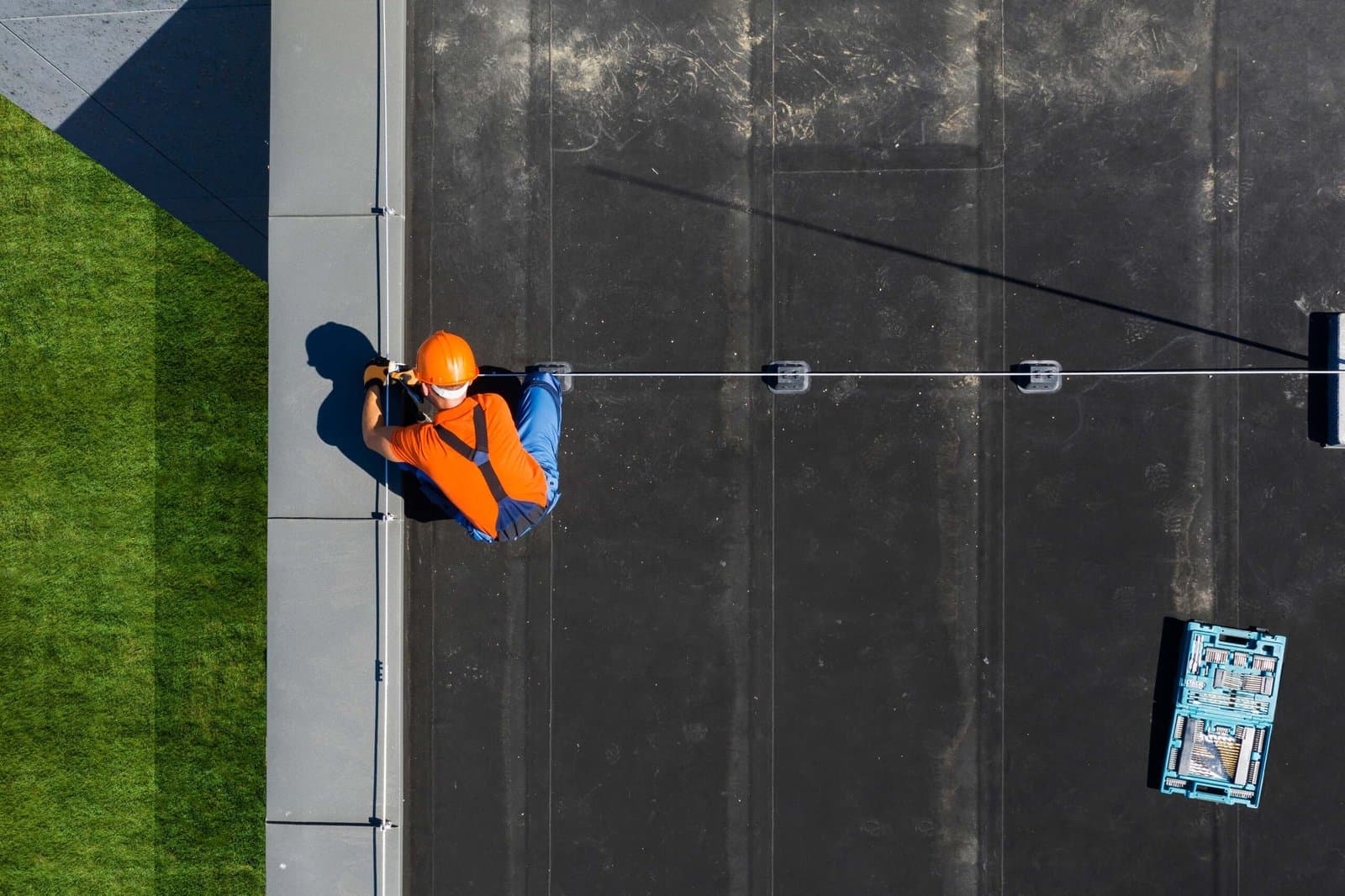
An inspection starts with the pathways that carry a strike's energy down from the rod. Cables and their connection points are checked for looseness, corrosion, or damage, since a weak connection anywhere along that path can compromise the whole system, even if every other component is in good shape.
The Grounding System
Grounding electrodes disperse the charge into the earth, so inspectors verify they're properly placed, connected, and meeting code. A grounding issue is one of the harder problems to spot without a professional, since the rods themselves are buried and not visible during a casual walk-around.
The Rods Themselves
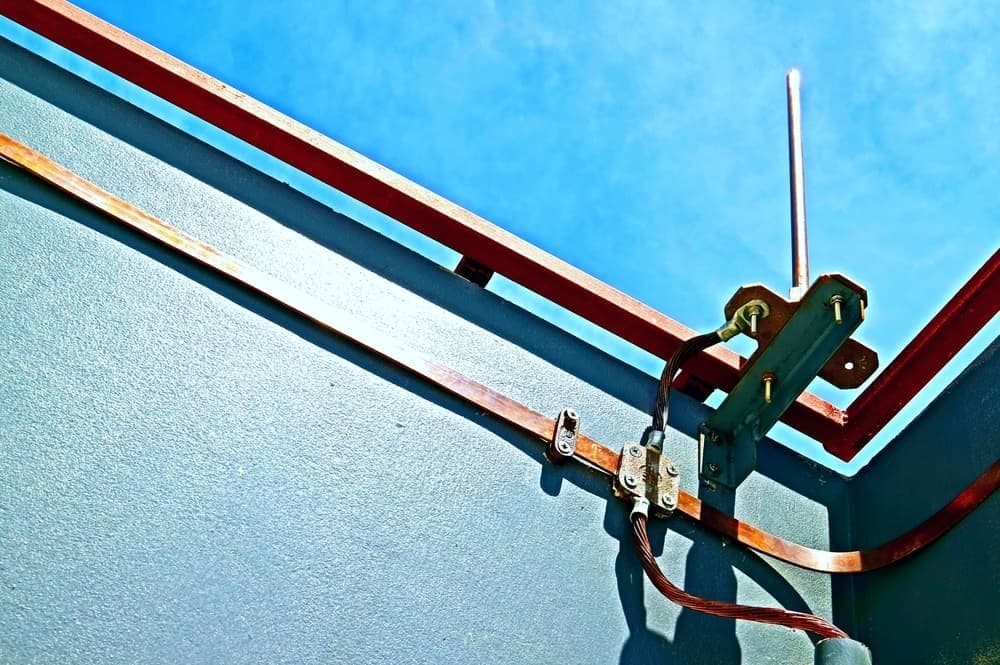
Air terminals are checked for secure attachment and correct positioning. Years of weather exposure can loosen mounting points or shift a rod's position enough to reduce its effectiveness, even without any obvious visible damage.
The System as a Whole
Beyond individual parts, an inspection looks at the overall layout — whether it still matches how the building is actually configured. Additions, roof work, or other changes since the original installation can mean the system needs adjustments to stay effective and fully cover the structure, since a layout designed for the old roofline may leave new sections unprotected.
How Often to Schedule One
A typically annual inspection is a reasonable baseline for most properties, with an additional check warranted after any significant storm, known strike, or major construction work on the building. Scheduling ahead of storm season adds extra peace of mind heading into the months when it matters most, rather than finding out mid-storm that something needed attention.
Schedule an Inspection
RS Lightning Protection provides lightning rod system inspections throughout Delaware, with technicians thoroughly evaluating every component from the rods to the grounding system. Whether you're a homeowner concerned about your family's safety or simply haven't had the system looked at in years, call 1-866-415-2231 to schedule yours.
Need maintenance? See our maintenance service.