Don't Let Your Home Be a Lightning Target: The Ultimate Guide to Lightning Rod Repair in Ohio
A complete walkthrough of what lightning rod repair actually involves, from the first inspection to the final test.
Why Lightning Protection Systems Exist
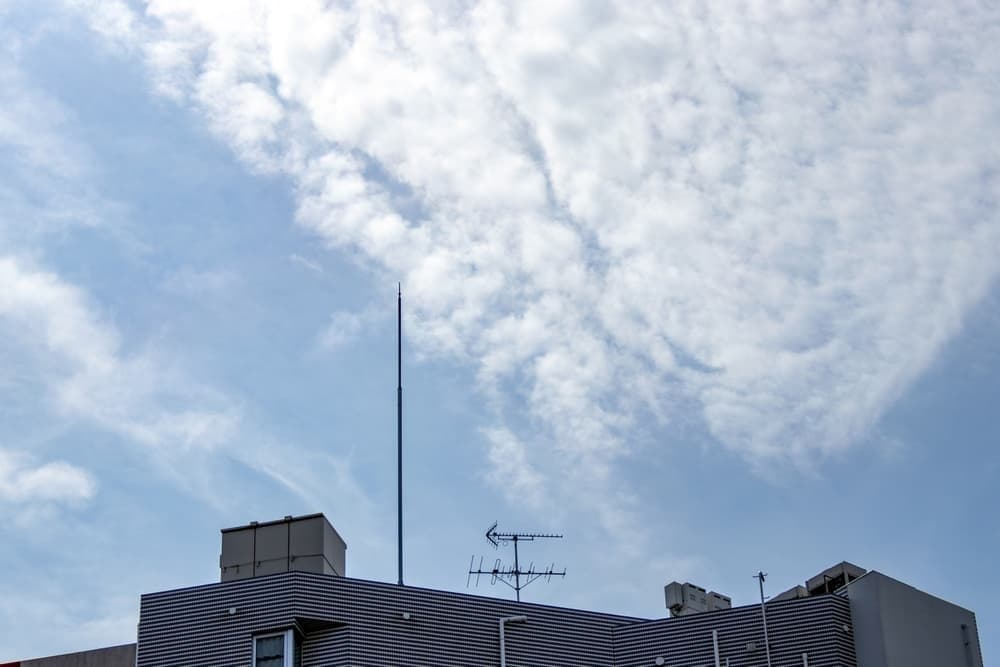
A lightning protection system is designed to intercept a strike and channel that energy safely into the ground through a network of air terminals, conductors, and grounding electrodes, rather than letting it pass through the structure itself. Systems are typically designed around standards like NFPA 780 and UL 96A, which cover placement, bonding, and grounding requirements. In Ohio, where thunderstorms are a regular part of the season, keeping that system intact matters as much as installing it in the first place. A system that's never been checked after installation is really an unknown quantity, no matter how solid it looked going in.
How Repair Needs Usually Show Up
Wear shows up gradually: a bent or corroded air terminal, a conductor that's come loose from its fastener, or a grounding electrode that's been disturbed by soil movement or landscaping work. None of these are dramatic on their own, but together they reduce how reliably the system can do its job during an actual strike. Wildlife, tree limbs, roof work, and general weathering all contribute over the years, which is part of why a periodic look at the whole system matters more than a single install-day inspection.
What a Repair Visit Actually Involves
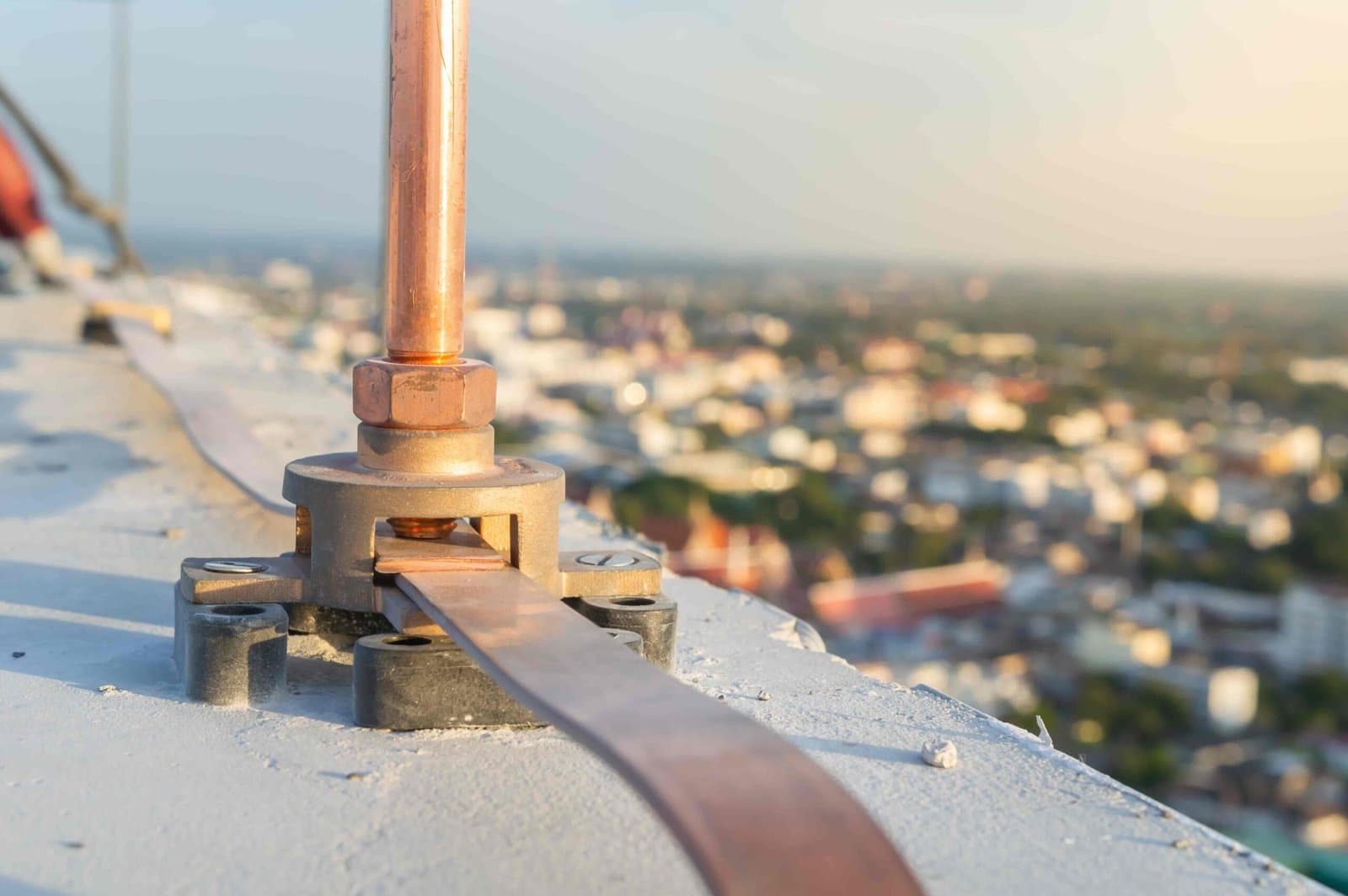
A proper repair starts with a full inspection of every component — air terminals, main conductors, bonding connections, and grounding electrodes — followed by a written assessment of what's failing and why. From there, a contractor repairs or replaces the specific components that need it, which might mean re-securing a conductor, replacing a corroded terminal, or driving a new ground rod. The job finishes with a follow-up check to confirm the repaired system functions as a complete circuit, not just that the individual pieces look fixed.
Components That Most Commonly Need Attention
Air terminals and conductors bear the brunt of weather exposure, while grounding electrodes are vulnerable to soil erosion and disturbance. Bonding connections — the links tying metal building components into the system — can loosen over time as buildings settle or expand and contract with temperature. Surge protection devices, where installed, also have a service life and should be checked as part of any thorough repair, since they're a separate line of defense for the electrical systems inside the building.
Getting Started
If it's been years since your system was inspected, or you're not sure it was ever checked after installation, that's reason enough to schedule a look. Whether the property is a single-family home, a barn, a school, or a commercial building, the same basic inspection-assessment-repair-test process applies. RS Lightning Protection has served Ohio, Pennsylvania, Delaware, Maryland, and West Virginia since 1988. Call 1-866-415-2231 for a free estimate.
Need repair? See our repair service.