DIY vs. Professional Lightning Rod Installation in Newark, DE
A look at why lightning protection is one of the home projects where professional installation isn't just a preference.
What's Actually Involved in a System
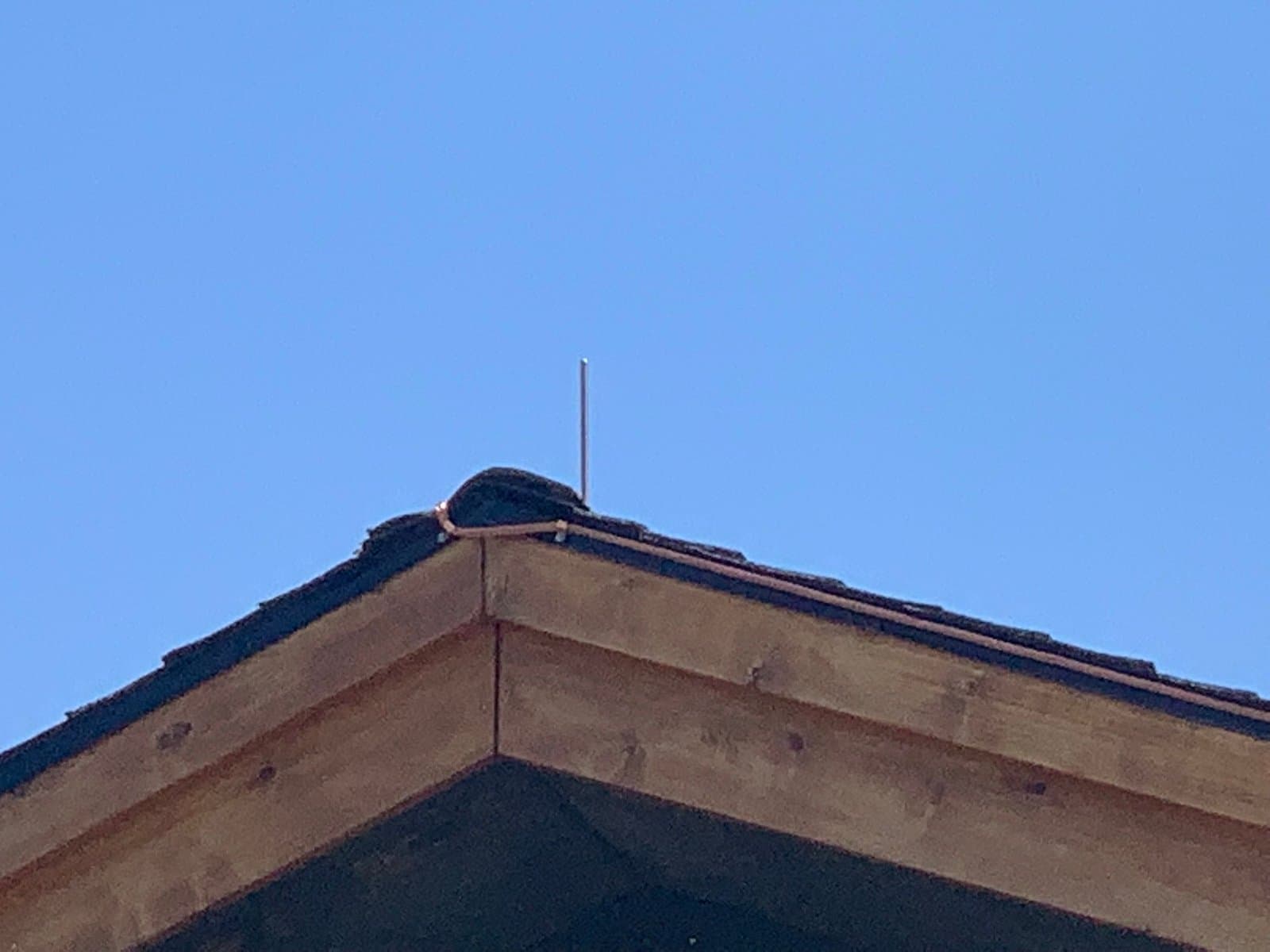
A lightning protection system is a network, not a single part: air terminals positioned at a structure's high points, conductors that carry current down the building, grounding electrodes that disperse it into the earth, and surge protection devices for the electrical system. Each piece has to be sized, spaced, and positioned correctly for the system to function as a whole rather than as a collection of disconnected parts, which is where the real complexity of the job lives.
Where DIY Installation Falls Short
The appeal of a DIY install is straightforward — no labor cost, and a sense of having handled it yourself. But placement and grounding aren't guesswork: air terminals have to be positioned to cover the structure's full roofline, and grounding electrodes need to meet resistance and depth requirements to actually disperse a strike's energy into the soil. Getting either wrong can leave a building no better protected than having no system at all, while giving the owner a false sense of security that discourages ever having it checked.
Code Compliance Isn't Optional
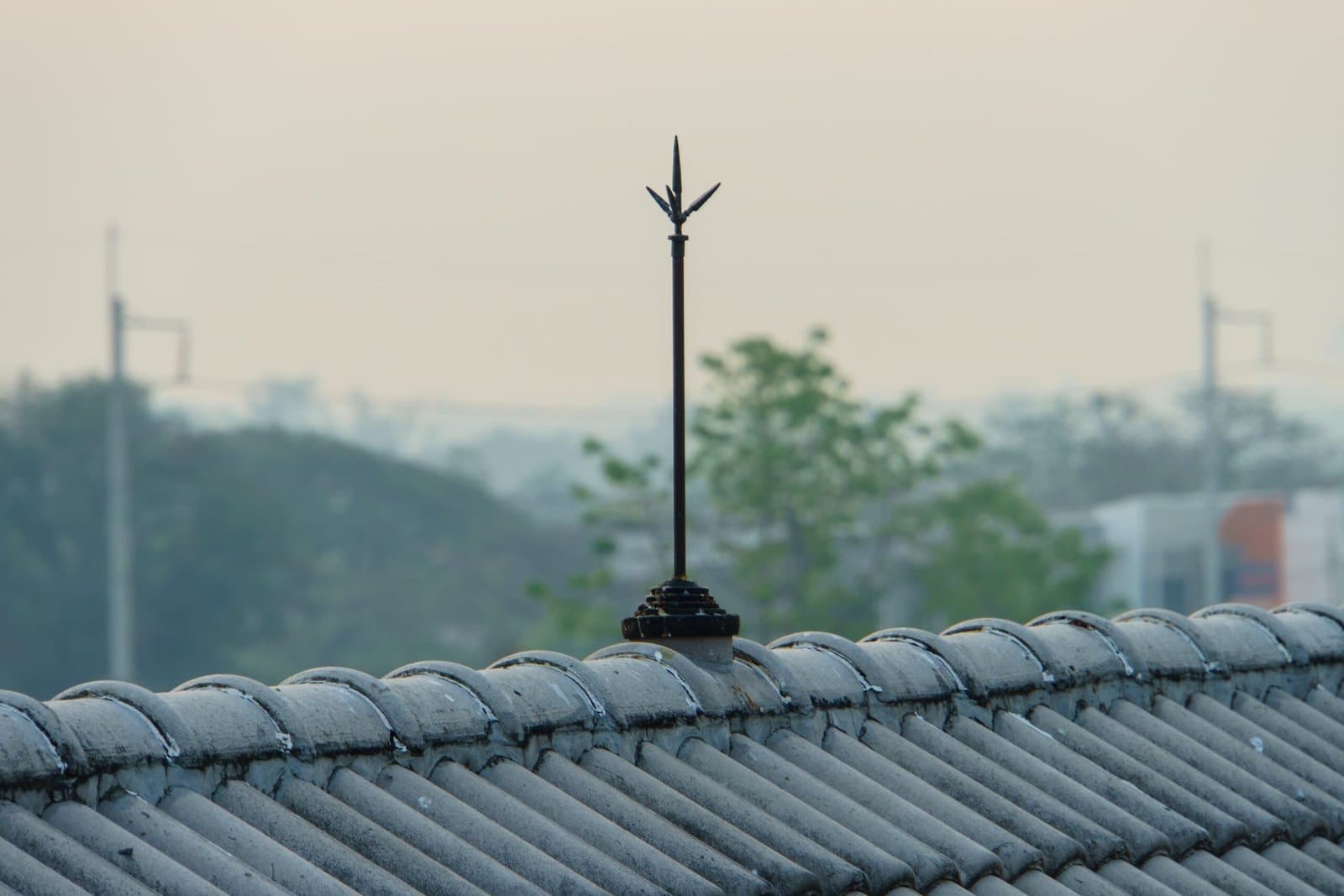
Lightning protection systems are typically designed around standards like NFPA 780 and UL 96A, which cover everything from terminal spacing to conductor routing to grounding methods. An installation that doesn't meet these standards can create insurance or inspection issues down the line, on top of simply not performing as intended when it matters most. A DIY installer rarely has the reference material to check compliance against.
Working at Height Is a Real Risk
Installing air terminals means working on a roof, often at a home's highest and steepest points — a task that carries genuine fall risk without the right equipment, harnessing, and experience. That physical risk exists separately from the electrical and code considerations, and it's often underestimated by homeowners planning a weekend project.
What Professional Installation Adds
A professional installer evaluates the specific structure, designs a system around its shape and roofline, and verifies the grounding meets code before calling the job done. That process — site evaluation, custom design, and final testing — is what turns a lightning rod from a symbolic gesture into a system engineered to actually perform during a strike, with a level of accountability a self-installed system doesn't carry.
Need installation? See our installation service.