Delaware Residents: How to Avoid Costly Repairs With Regular Lightning Protection System Maintenance
How a small, overlooked issue in a lightning protection system turns into an expensive repair, and how regular maintenance stops that chain before it starts.
How a Lightning Protection System Works
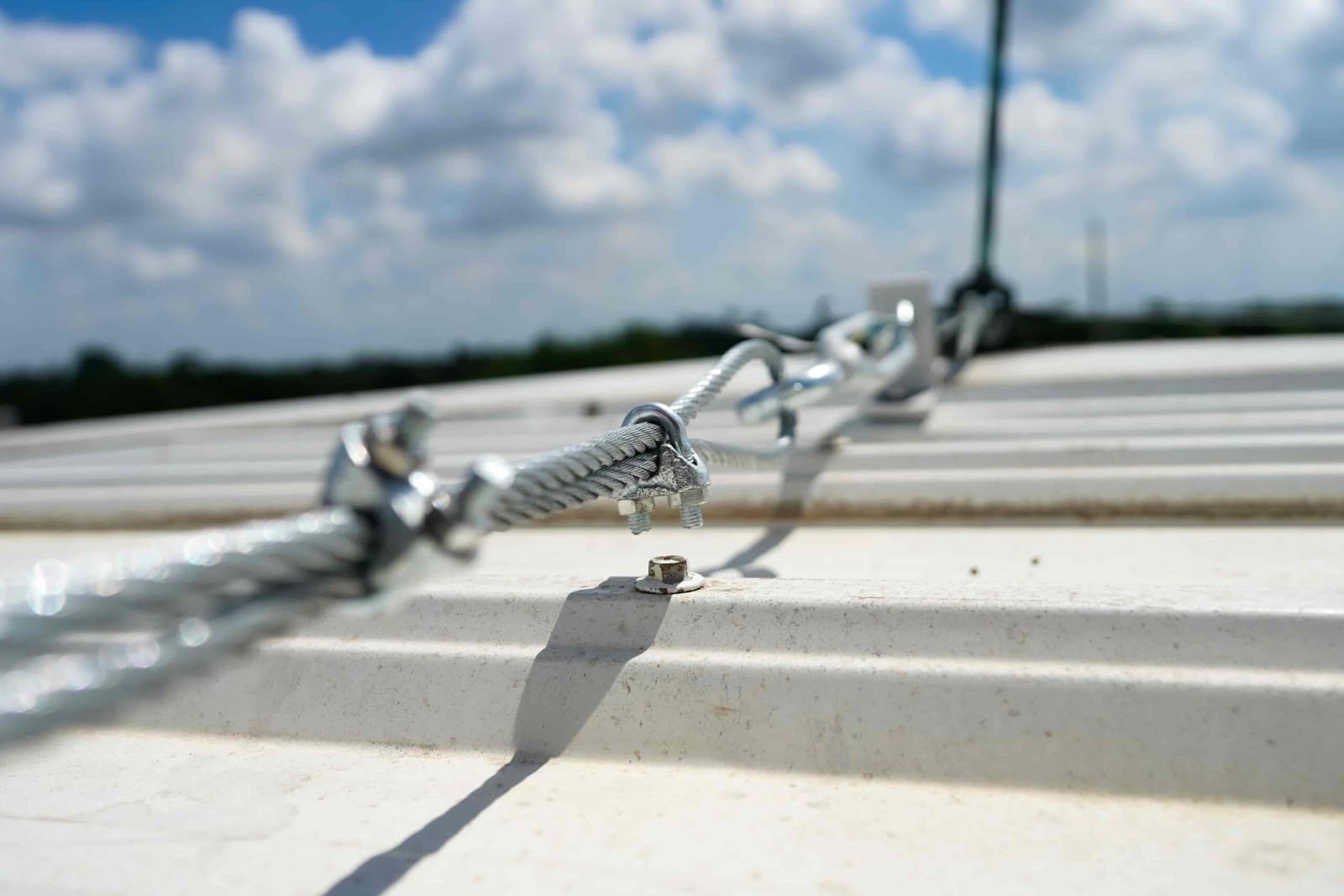
Air terminals capture a strike, conductors carry the electrical energy down, and grounding electrodes disperse it safely into the earth. The system only performs as designed if every link in that chain — rod, conductor, connection, and ground — is actually intact, which is easy to take for granted until the system is actually called on to work.
How Small Problems Become Big Ones
A single loose connection or a corroded conductor doesn't announce itself. It can sit there for years, invisible from the ground, until the system is actually tested by a strike, at which point that one weak point can mean the whole system doesn't perform the way it's supposed to — even if every other component is in perfect condition.
What Routine Maintenance Catches Early
A maintenance visit includes a visual inspection of rooftop components and connections, testing of grounding resistance, checking for corrosion on rods and conductors, and confirming that vegetation growth or new roof equipment like HVAC units or satellite dishes hasn't compromised the system's original layout. Each of these checks targets a specific way the system can quietly stop working without any obvious symptom in between visits.
Environmental Wear and Tear
Freeze-thaw cycles, wind, and ordinary weather exposure gradually loosen connections and corrode metal components over the years, even without a direct lightning strike ever occurring. That steady wear is exactly why annual inspection, rather than an install-and-forget approach, is the standard for this kind of system — the components are doing their job simply by being outside year after year, and that exposure has a cost.
The Repair Math
A problem caught during a routine visit is typically limited to whatever part failed — a connection, a section of conductor, a corroded rod. A system that goes unchecked for years and then fails during a strike can mean a much larger portion of the system needing replacement, on top of whatever property damage the failure allowed to happen in the first place. The gap between those two outcomes is almost entirely a function of how recently the system was last inspected.
Schedule Regular Maintenance
For lightning protection system maintenance in Delaware and the surrounding region, call RS Lightning Protection at 1-866-415-2231.
Need maintenance? See our maintenance service.