Choosing the Right Professional for Lightning Rod Installation in Delaware, OH
What to actually look for when vetting a lightning protection contractor, beyond just the lowest quote.
Why the Installer Matters as Much as the Materials
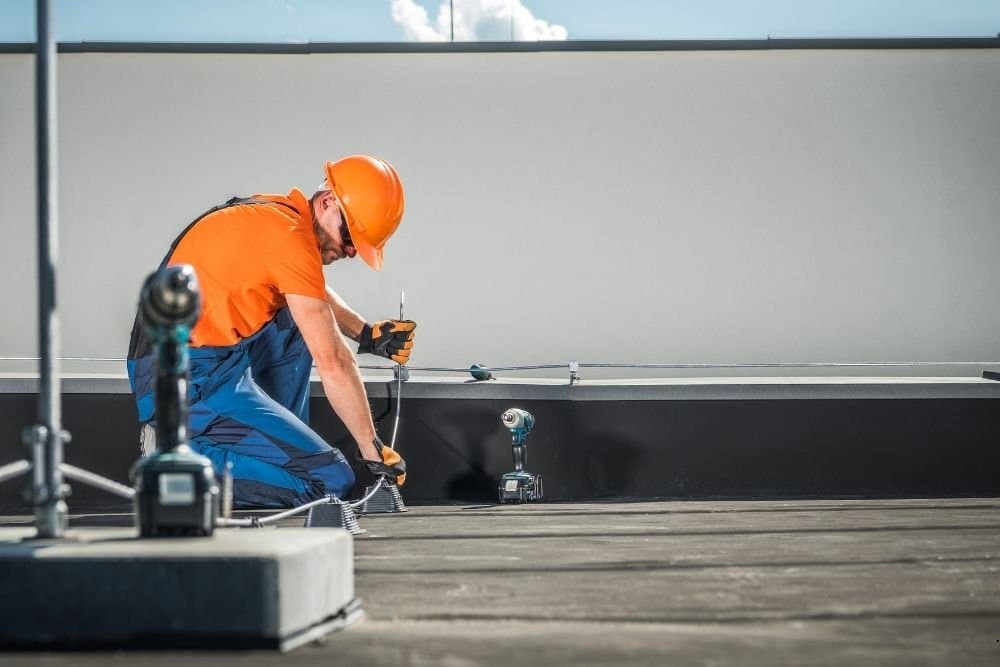
A lightning rod system only works if every part — air terminals, conductors, and grounding electrodes — is placed and connected correctly. An installer who cuts corners on placement or grounding can leave a building looking protected while functionally exposed, and that kind of shortfall often isn't visible until after a strike has already happened and caused the damage the system was supposed to prevent in the first place.
Ask About Standards Compliance
Reputable installers design systems around standards like NFPA 780 and UL 96A, which set requirements for terminal spacing, conductor sizing, and grounding methods. Asking a contractor how their designs align with these standards is a fair, direct question, and a legitimate contractor should be able to explain their approach without hesitation or vague reassurances.
Check Licensing and Insurance
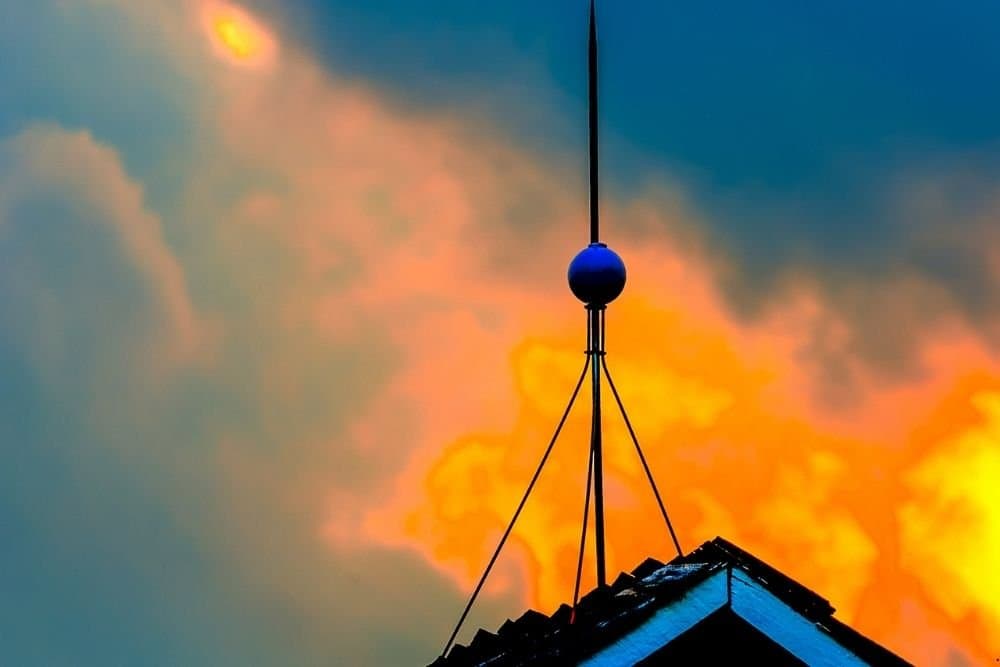
Because installation involves both structural and electrical work, confirm the contractor carries the licensing and insurance appropriate for that scope before signing anything. This protects the property owner if something goes wrong during installation, not just after the system is in place. A contractor who's reluctant to share this information is worth reconsidering.
Understand the Process They'll Follow
A thorough installer starts with a site evaluation to determine placement and grounding needs specific to that structure, follows with a custom system design rather than a one-size-fits-all layout, and finishes with a final inspection and test of the grounding connections. Skipping any of those steps increases the odds the finished system underperforms exactly when it's needed most.
Materials Are Part of the Conversation Too
Ask what conductor and terminal materials are being used — copper and aluminum are both standard, but they differ in cost and longevity — and make sure that's spelled out in writing before work begins. A contractor who's vague about materials is worth a second look, since specificity here usually reflects experience rather than guesswork.
Local Experience Counts
A contractor familiar with Delaware County's building types and weather patterns brings practical judgment to placement decisions that a generic installer might miss. RS Lightning Protection has served Ohio, Pennsylvania, Delaware, Maryland, and West Virginia as a family-owned business since 1988, working across residential, agricultural, and commercial properties throughout that time. That kind of regional track record is worth asking about during the vetting process.
Need installation? See our installation service.