Addressing Myths About Lightning
From "lightning never strikes twice" to the truth about lightning rods, here's what's actually true about how lightning behaves.
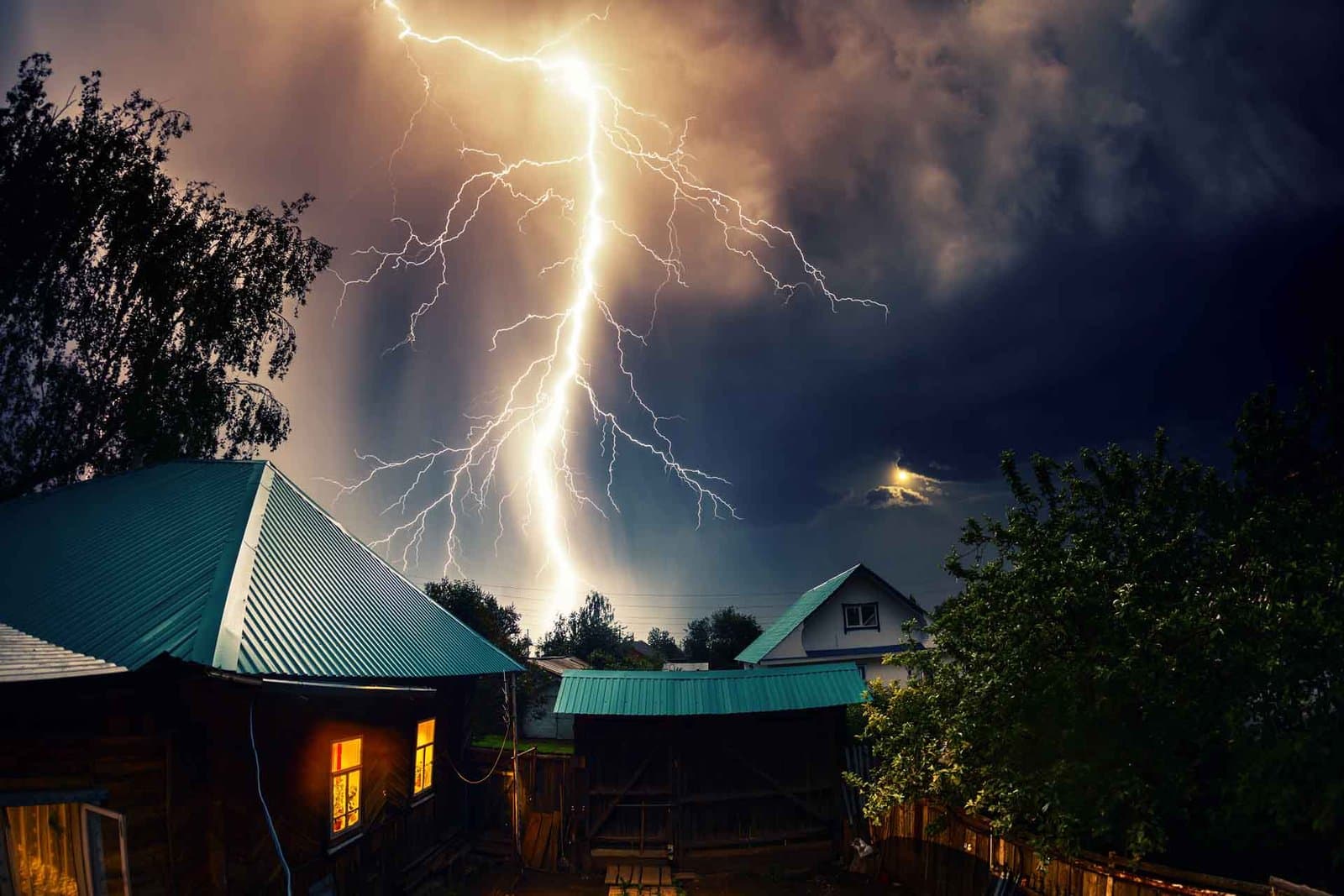
Myth: Lightning Never Strikes the Same Place Twice
In reality, lightning can strike the same location repeatedly, especially tall or isolated structures and buildings near water. Height and isolation, not history, are what determine risk — a tall building or a lone tree in an open field can take multiple strikes over its lifetime, sometimes in the same storm.
Myth: It Can't Strike If It Isn't Raining
Lightning can strike well before rain starts falling or after it stops, sometimes from miles away from the visible storm cell — this is often called a "bolt from the blue." If you hear thunder, treat it as close enough to be a real risk and head indoors — don't wait for rain to start, and don't assume clear skies overhead mean you're safe.
Myth: Sheltering Under a Tree Is Safe
Standing under a tree during a thunderstorm is actually one of the more dangerous places to be outdoors, since tall trees are prime targets for a strike and the current can jump from the trunk to anyone standing nearby. Tents, covered porches, and other partial shelters don't provide real protection either — a fully enclosed building with proper wiring is the only place that reliably does.
Myth: A Lightning Strike Victim Can Electrocute You
The human body doesn't store an electrical charge, so it's safe to touch or perform first aid on someone who's been struck by lightning. Call 911 immediately and begin CPR if needed.
Myth: Lightning Rods Attract Lightning
A lightning rod doesn't pull strikes toward a building — it gives a strike that was going to hit the structure anyway a safe path to follow. That path only works as a complete system: air terminals intercept the strike, conductors carry it down, grounding electrodes release it into the earth, bonding prevents side flashes to nearby metal objects, and surge protection devices shield the building's wiring and electronics from the surge.
Getting Protected
U.S. insurers paid out $1.65 billion in lightning-related homeowners claims in 2025, so the risk is real even if any one strike feels unlikely. RS Lightning Protection installs and maintains complete systems across Ohio, Pennsylvania, Delaware, Maryland, and West Virginia. Call 1-866-415-2231 to get started.
Need components? See our components service.