
5 Reasons Your Newark, DE Home Needs a Lightning Rod
A practical look at what a lightning rod system actually protects against, for homeowners weighing whether it's worth the investment.
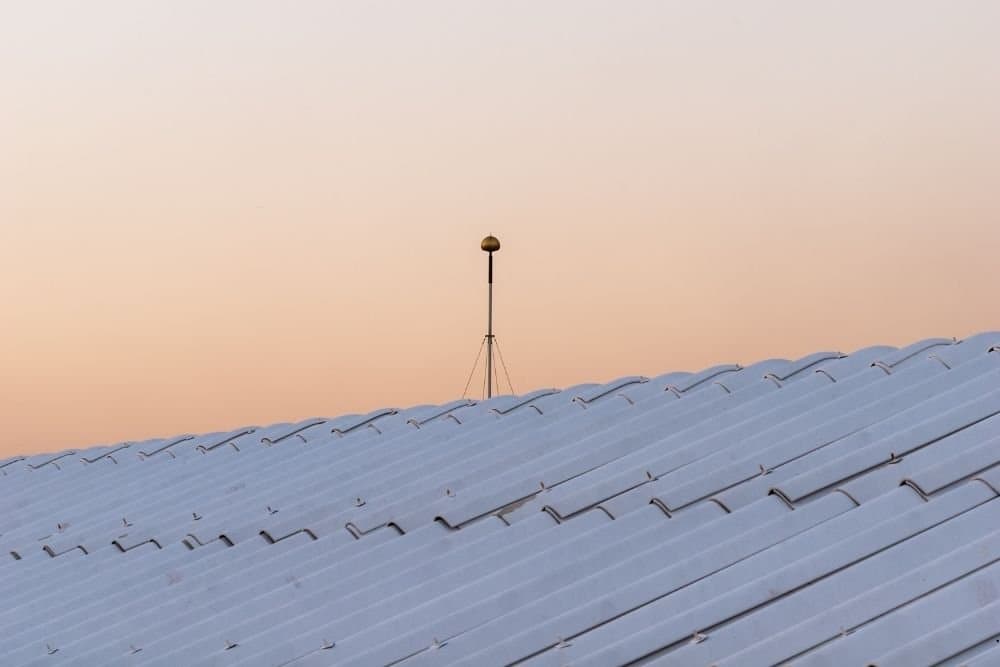
How a Lightning Rod System Works
A lightning rod system doesn't stop lightning from striking — it gives the strike a safe, predictable path to follow instead of leaving that path to chance. Air terminals mounted at a home's highest points connect through conductors down to grounding electrodes buried in the earth, so the energy from a strike is carried around the structure instead of through it. Paired with surge protection devices, the system also shields the electrical systems inside a home that a strike would otherwise overload. None of these parts work in isolation — each one depends on the others being sized and connected correctly.
Reason 1: Fire Prevention
Lightning carries enough heat and energy to ignite roofing materials, wood framing, or wiring on direct or near-direct contact. An unprotected home has no controlled path for that energy, so it travels through whatever material offers the least resistance — which is often flammable. Air terminals and conductors intercept the strike at the roofline and carry it down and away before it reaches those materials, which is the primary reason lightning protection exists.
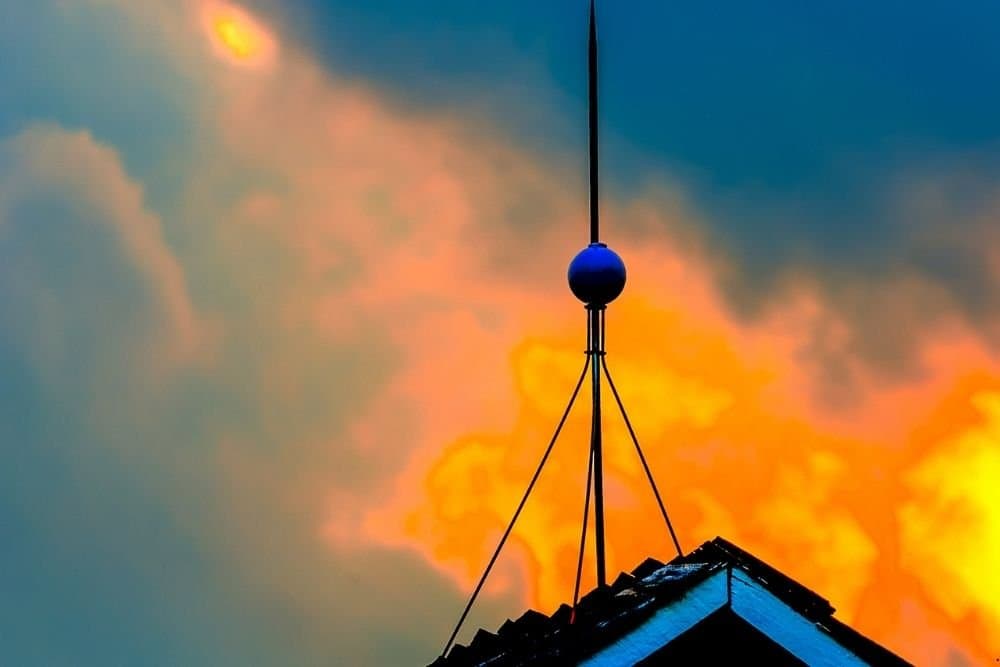
Reason 2: Protecting Appliances and Wiring
Even a strike that doesn't hit the house directly can send a surge through the electrical service and into the home's wiring. That surge can damage HVAC equipment, kitchen appliances, and electronics like computers and televisions in an instant. Surge protection devices installed alongside a lightning rod system are designed to absorb or redirect that surge before it reaches the panel and the equipment plugged into it.
Reason 3: Preserving the Structure Itself
When lightning strikes an ungrounded building, the current searches for the fastest route to the ground — often through walls, framing, or foundation materials — leaving cracking, charring, or worse behind. A properly grounded system gives the current that fast route on the outside of the structure instead, so the building itself never becomes part of the circuit.
Reason 4: Fewer Disruptions After a Storm
Fire damage, fried wiring, or a compromised roof section can mean weeks of repairs, temporary housing, and dealing with contractors and insurance adjusters. None of that is limited to worst-case scenarios — even a moderate strike can put a family out of part of their home for days. A lightning protection system reduces the odds of a strike turning into that kind of disruption in the first place.
Reason 5: A Measure of Storm-Season Confidence
Delaware County storms aren't rare, and knowing a home has a system in place — designed around standards like NFPA 780 and UL 96A — takes one variable out of a homeowner's mind during severe weather. Some insurers may also factor lightning protection systems into coverage decisions, though homeowners should confirm specifics directly with their provider rather than assume a discount. For many homeowners, that combination of physical protection and reduced uncertainty is what makes the investment worthwhile.
Need installation? See our installation service.